
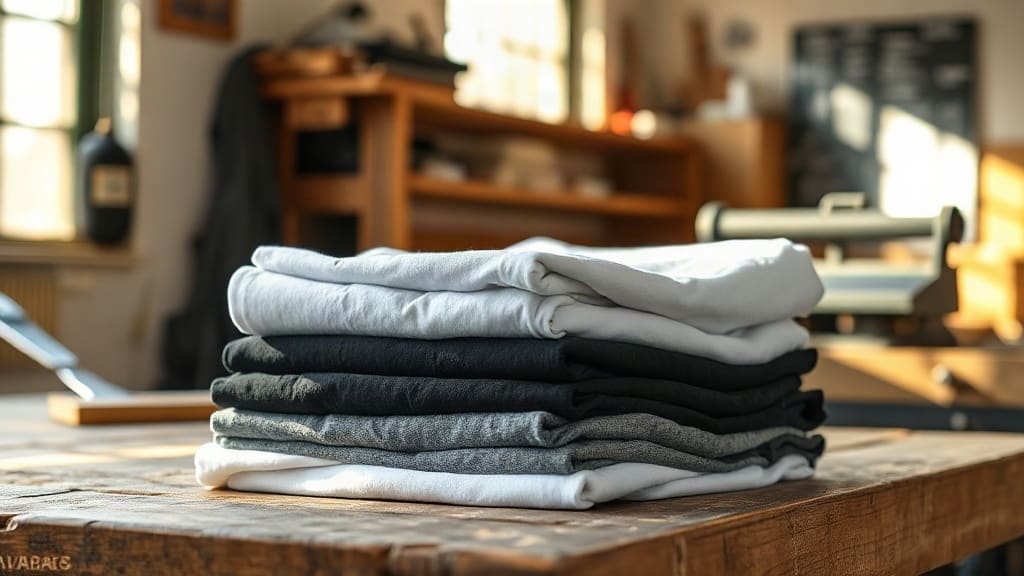
Walk into almost any independent screen-printing shop in Los Angeles and you will eventually spot a stack of blank tees with a small, unmistakable tag: shaka wear. The brand has spent roughly two decades quietly becoming the backbone of West Coast streetwear, worn by skaters, tattoo artists, and screen printers who care more about how a shirt feels after fifty washes than how it looks in a single Instagram photo. If you have ever wondered why this label keeps showing up on the racks of small boutiques and flea market booths alike, the answer is less about hype and more about the fabric itself.
Where Shaka Wear Came From
The brand traces its roots to Los Angeles in the early 2000s, a period when the city's streetwear scene was splitting into two directions: flashy graphics on one side, and quietly well-made basics on the other. Shaka wear landed firmly in the second camp. Rather than chasing seasonal trends, the company focused on producing heavyweight cotton tees, fleece, and workwear-inspired pieces that could survive real wear.
That decision shaped everything that followed. While other labels cycled through logo drops and limited collaborations, shaka wear kept refining the same core products. The result is a catalog that feels almost utilitarian, which is exactly the point.
The Name and the Aesthetic
The shaka gesture itself, thumb and pinky extended, is a Hawaiian greeting tied to surf culture and a laid-back, no-fuss attitude. The brand borrows that spirit without overplaying it. You will not find loud tropical prints or heavy-handed island motifs on most of its line. Instead, the design language stays close to classic American sportswear: simple silhouettes, minimal branding, and a fit that works on almost any body type.
What Actually Makes the Tees Different
If you only remember one thing about shaka wear, make it this: the fabric weight. Most of the brand's signature tees sit in the 6.5 to 7.5 ounce range, which puts them noticeably heavier than the standard 4.5 to 5 ounce shirts you find in big-box stores. That extra weight changes how the shirt drapes, how long it holds its shape, and how it feels against the skin.
Heavier cotton also tends to handle printing better. Plastisol inks sit on top of the fabric rather than sinking in, so graphics stay crisp and colors hold up through repeated washing. This is a big reason screen printers keep coming back to the brand for custom orders.
Fit and Sizing Notes
Shaka Wear tends to run true to size, though some of the heavyweight styles fit slightly boxier through the chest and shoulders. If you prefer a fitted look, consider sizing down one step. If you want the relaxed, dropped-shoulder silhouette that has dominated streetwear for years, your normal size will usually do the job.
- Sleeve length: Most tees have a mid-length sleeve that hits just above the elbow, not a short cap sleeve.
- Hem: Straight cut with a slightly longer body, which helps with layering.
- Collar: Ribbed and reinforced, so it resists stretching out after repeated wear.
How to Style Shaka Wear Without Looking Like a Walking Billboard
The brand's strength is that it works as a foundation piece. A heavyweight white or black tee under an open flannel, a denim jacket, or a work vest looks intentional rather than thrown together. Because the fabric is thick, it holds its shape under a layer instead of bunching up.
For a cleaner look, tuck the front hem slightly and let the back hang loose. For a more relaxed outfit, pair a plain tee with wide-leg carpenter pants and low-profile sneakers. The key is to let the fabric do the talking instead of stacking logos.
Layering Through Seasons
In warmer months, a single shaka wear tee is often enough on its own. In cooler weather, the heavier cotton acts as a mid-layer that traps warmth without adding bulk. That versatility is why so many people end up buying the same shirt in three or four colors.
Buying Shaka Wear: What to Watch For
The brand is widely available through wholesale distributors, independent print shops, and online retailers. Because of that, prices and stock can vary quite a bit. A few practical tips can save you time and money:
- Check the weight. Not every style is heavyweight. If you want the thick, structured feel, look for the specific ounce count in the product description.
- Buy in bundles when possible. Multi-packs usually bring the per-shirt cost down significantly, especially for plain colors.
- Wash cold and tumble low. Heavy cotton shrinks less when you avoid hot water and high heat. This keeps the fit consistent over time.
- Inspect the tag. Counterfeit blanks exist. Genuine shaka wear tags are cleanly printed with consistent stitching around the neckline.
Why Printers and Small Brands Rely on It
For anyone running a small clothing label, blank selection is a make-or-break decision. A shirt that pills, fades, or loses its shape after a few washes generates returns and complaints. shaka wear has earned its reputation among printers because the blanks behave predictably. The cotton takes ink well, the seams hold, and the sizing stays consistent across restocks.
That reliability matters more than any marketing campaign. It is also why you will often see the brand stocked alongside other established blank suppliers rather than treated as a fashion statement on its own.
Frequently Asked Questions About Shaka Wear
Is Shaka Wear true to size?
In most cases, yes. The brand's standard tees fit true to size, though heavyweight styles can feel slightly roomier through the chest. If you want a tighter fit, sizing down one step usually works well.
What is the fabric weight of Shaka Wear tees?
Many of the brand's signature tees fall between 6.5 and 7.5 ounces per square yard, which is heavier than typical retail tees. This gives them a sturdier drape and better durability over time.
Does Shaka Wear shrink after washing?
Some shrinkage is normal with 100% cotton, especially on the first wash. Washing in cold water and drying on low heat minimizes it. Expect roughly a small percentage of shrinkage rather than a full size change.
Where can I buy Shaka Wear?
The brand is sold through wholesale distributors, independent screen-printing shops, and various online retailers. Availability varies, so checking a few sources is worth the effort if you want a specific color or weight.
Is Shaka Wear good for screen printing?
Yes. The heavier cotton holds plastisol and water-based inks well, and the fabric resists the ink bleed that thinner shirts sometimes show. This makes it a common choice for custom orders and small-batch production.