
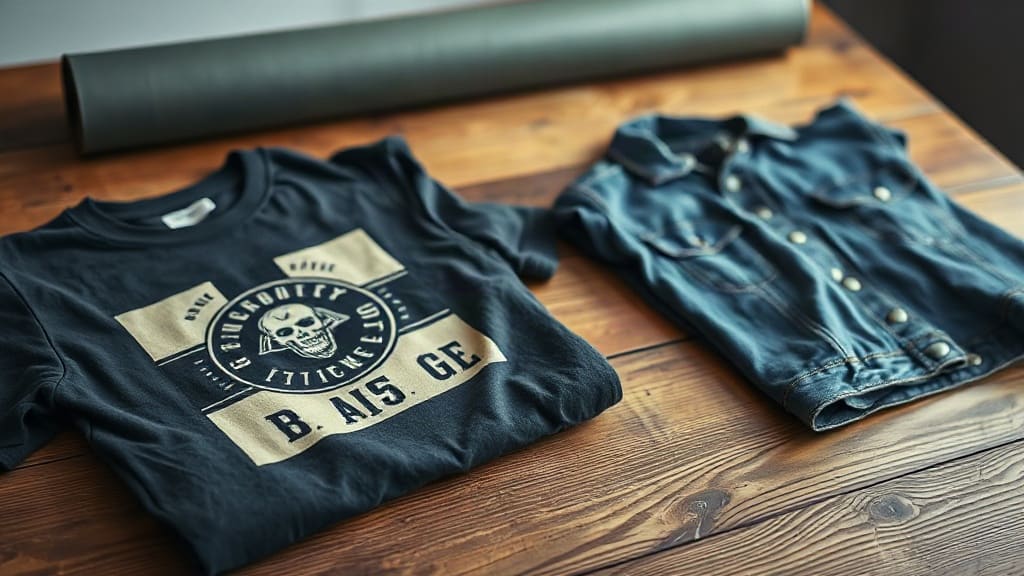
In the competitive world of branding, choosing the right production method can make or break your merchandise strategy. Whether you're launching a new product line or refreshing your company's image, understanding the nuances of print on demand, custom patches, and custom banner options is crucial. This guide dives deep into each method, helping you decide which one aligns with your goals, budget, and timeline.
What Is Print on Demand?
Print on demand (POD) is a production model where items are printed only after an order is placed. This eliminates the need for bulk inventory, making it ideal for startups and businesses testing new designs. Popular products include t-shirts, mugs, phone cases, and posters.
With POD, you partner with a supplier who handles printing and shipping. When a customer buys from your online store, the supplier prints and sends the item directly. This dropshipping-like approach means you never touch the product.
Benefits of Print on Demand
- Low risk: No upfront costs for inventory.
- Scalability: Easily add new designs without stock concerns.
- Convenience: Automated fulfillment saves time.
Drawbacks of Print on Demand
- Higher per-unit cost: Printing one-off items is pricier than bulk.
- Limited control: You rely on third-party quality.
- Longer shipping: Production and shipping can take weeks.
The Rise of Custom Patches
Custom patches offer a tactile, premium feel that printed designs often lack. They are embroidered or woven emblems that can be sewn or ironed onto garments, bags, and hats. Patches are popular for uniforms, clubs, and limited-edition merch.
Unlike print on demand, patches require a mold or digitized design, which involves a setup fee. However, the durability and perceived value make them a favorite for brands seeking a high-quality touch.
Why Choose Custom Patches?
- Durability: Patches withstand wear and tear better than prints.
- Premium look: Adds a 3D texture that stands out.
- Versatility: Can be applied to various fabrics and accessories.
Considerations for Custom Patches
- Minimum order quantities: Often required, which can be a barrier for small runs.
- Higher upfront cost: Setup and production fees add up.
- Longer lead times: Production can take several weeks.
Custom Banners: Making a Statement
Custom banner printing is essential for events, storefronts, and trade shows. Banners are large-format prints on materials like vinyl, fabric, or mesh. They communicate promotions, brand messages, or directional information.
While custom banner may not be a direct alternative to print on demand or custom patches, it serves a different purpose: visibility. A well-designed banner can draw attention and reinforce brand identity at physical locations.
When to Use Custom Banners
- Events: Trade shows, conferences, and festivals.
- Retail: Sales, grand openings, and seasonal promotions.
- Outdoor advertising: Building wraps and street pole banners.
Tips for Effective Custom Banners
- Keep it simple: Bold text and high-contrast colors.
- Use high-resolution images: Avoid pixelation.
- Consider placement: Ensure readability from a distance.
Comparing Costs and Turnaround Times
Budget and speed are often deciding factors. Print on demand has no minimums and low startup costs, but per-unit prices are higher. Custom patches require a setup fee and minimum order, but unit costs drop with volume. Custom banner pricing depends on size and material, with quick turnaround for simple designs.
For a small batch of 50 patches, you might pay $2 per patch plus a $50 setup fee. In contrast, 50 print-on-demand t-shirts could cost $12 each with no setup. Banners can range from $50 for a small vinyl banner to $500 for a large mesh banner.
Quality and Durability
When it comes to longevity, custom patches win. Embroidered patches can last for years, while print on demand designs may fade after several washes. Custom banner durability varies by material; vinyl banners last 1-3 years outdoors, while mesh banners are more breathable but less durable.
If you're creating merchandise that needs to withstand frequent use, patches are a superior choice. For one-time events, print on demand or banners may suffice.
Environmental Impact
Sustainability is a growing concern. Print on demand reduces waste by producing only what's ordered. However, it often uses synthetic inks and materials. Custom patches can be made from recycled polyester or organic cotton, but the embroidery process consumes energy. Custom banner materials like PVC are not biodegradable, though some eco-friendly options exist.
Choose suppliers who prioritize green practices if this aligns with your brand values.
Which Option Is Best for Your Brand?
Your choice depends on your goals. If you want to test designs with minimal risk, print on demand is ideal. For a premium, durable product, custom patches are worth the investment. And for physical visibility, custom banner printing is unmatched.
Many brands use a mix: POD for apparel, patches for hats, and banners for events. This hybrid approach maximizes impact across channels.
Frequently Asked Questions
Can I combine print on demand with custom patches on the same product?
Yes, you can. For example, a t-shirt can have a printed design from a POD service and a custom patch sewn on. This requires coordination between suppliers, but it's doable and can create a unique look.
What is the minimum order for custom patches?
Minimums vary by manufacturer. Some require as few as 10 patches, while others ask for 50 or 100. Always check with your supplier before designing.
How long does it take to produce custom banners?
Turnaround time depends on the complexity and size. Simple vinyl banners can be ready in 1-2 business days, while large mesh banners may take a week or more.
Are print on demand products good quality?
Quality varies by supplier. Many POD companies now offer high-quality prints that last. Read reviews and order samples to judge for yourself.
Can custom patches be ironed on instead of sewn?
Yes, many patches come with iron-on adhesive. However, sewing is more secure and recommended for items that will be washed frequently.