
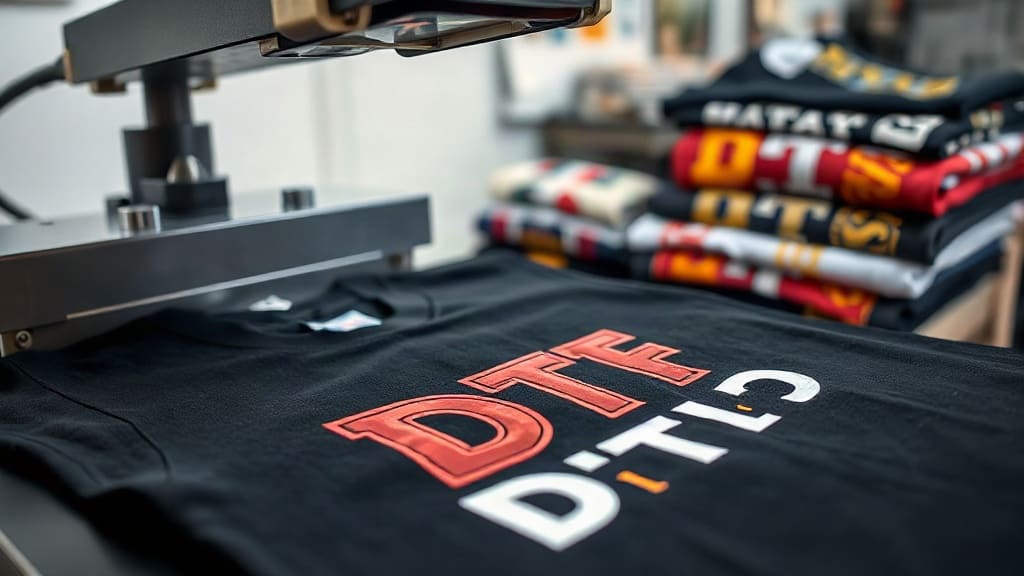
Custom apparel has never been more accessible, thanks to innovative printing technologies like DTF transfers. Whether you're a small business owner looking to offer personalized t-shirts or a DIY enthusiast wanting to create unique gifts, understanding DTF transfers can open up a world of possibilities. Unlike traditional methods, DTF transfers allow you to print full-color designs on a wide range of fabrics without the need for weeding or masking. In this guide, we'll dive deep into what DTF transfers are, how they work, and why they might be the perfect solution for your next project.
What Are DTF Transfers?
DTF stands for Direct to Film. It's a printing method where your design is printed onto a special film, coated with a powder adhesive, and then heat-pressed onto the fabric. This process eliminates the need for cutting and weeding, making it faster and more efficient than vinyl. DTF transfers are known for their vibrant colors, fine details, and ability to adhere to cotton, polyester, and blends. The technology has gained immense popularity because it combines the durability of screen printing with the flexibility of digital printing.
The DTF Printing Process
The process begins with a digital printer that uses special DTF inks. These inks are printed onto a PET film in a mirror image. After printing, a fine powder adhesive is applied to the wet ink. The excess powder is shaken off, and the film is then heated to melt the adhesive. Once cooled, the transfer is ready to be applied to fabric using a heat press. The result is a soft, stretchable print that withstands washing and wear.
Why Choose DTF Transfers Over Other Methods?
There are several reasons why DTF transfers have become a go-to for many in the custom apparel industry. First, they offer unparalleled versatility. You can print on dark and light fabrics without needing separate vinyl colors. Second, DTF transfers produce incredibly detailed and colorful designs, making them ideal for photographic images and complex artwork. Third, they are cost-effective for small to medium-sized orders because there's no minimum quantity and no setup fees. Finally, the application is straightforward, requiring only a heat press.
DTF vs. DTG and Screen Printing
Direct-to-garment (DTG) printing is another popular method, but it often requires pre-treatment and works best on 100% cotton. DTF transfers, on the other hand, can be applied to almost any fabric, including polyester and blends, without pre-treatment. Screen printing is excellent for large orders but involves setup costs and is less practical for detailed, multi-color designs. DTF transfers strike a balance, offering high-quality results without the limitations of these other methods.
How to Apply DTF Transfers
Applying DTF transfers is a straightforward process, but following the right steps ensures a professional and long-lasting finish. Here's what you need to do:
- Prepare your heat press: Set the temperature to around 325°F (160°C) and preheat the fabric for a few seconds to remove moisture.
- Position the transfer: Place the DTF transfer on the fabric with the printed side facing up. The adhesive side should be touching the fabric.
- Press: Apply medium to high pressure for 10-15 seconds. Use a heat press, not an iron, for consistent results.
- Peel: Allow the transfer to cool completely before peeling off the film. This is called a cold peel and ensures the design stays intact.
- Post-press: For added durability, you can press the design again for a few seconds with a protective sheet over it.
Tips for Perfect DTF Transfers
- Always test your heat press settings on a scrap fabric to avoid scorching.
- Ensure the fabric is clean and lint-free before applying the transfer.
- Use a Teflon sheet or parchment paper between the heat press and the transfer to protect the design.
- For stretchy fabrics, stretch the fabric slightly before pressing to prevent cracking.
- Store unused transfers in a cool, dry place away from direct sunlight.
Common Applications of DTF Transfers
DTF transfers are incredibly versatile and can be used for a wide range of apparel and accessories. From custom t-shirts, hoodies, and tote bags to caps, jackets, and even shoes, DTF transfers adhere to many surfaces. They are particularly popular for creating personalized gifts, team uniforms, promotional items, and fashion apparel. Because the prints are soft and flexible, they are comfortable to wear even on large designs.
Choosing the Right DTF Supplies
The quality of your DTF transfers depends heavily on the supplies you use. Invest in a reliable DTF printer and high-quality DTF inks and films. The powder adhesive should be specifically designed for DTF. Not all powders are created equal; some may cause clogging or poor adhesion. Additionally, using a heat press with accurate temperature and pressure control is crucial. Brands like RollupMaster offer a range of DTF supplies that cater to both beginners and professionals.
DTF Transfer Maintenance and Care
To ensure the longevity of your DTF-printed apparel, follow proper care instructions. Turn the garment inside out before washing. Use cold water and a gentle cycle. Avoid using bleach or fabric softeners, as they can degrade the adhesive. Tumble dry on low heat or hang dry. If ironing is necessary, do not iron directly on the print; use a cloth over it. With proper care, DTF transfers can last as long as the garment itself.
Frequently Asked Questions About DTF Transfers
How long do DTF transfers last?
With proper application and care, DTF transfers can last for years. They are durable and resist cracking, peeling, and fading. Washing inside out in cold water and avoiding high heat will extend their life significantly.
Can I use DTF transfers on polyester?
Yes, DTF transfers work excellently on polyester and polyester blends. The low-temperature application prevents the fabric from melting or scorching, and the adhesive bonds well to synthetic fibers.
Do I need a special printer for DTF transfers?
You need a DTF printer that uses DTF inks and can print on PET film. Some converted inkjet printers can work, but dedicated DTF printers offer better reliability and print quality.
What is the difference between DTF and DTG?
DTF transfers are printed on film and then applied to fabric, while DTG prints directly onto the garment. DTF works on more fabric types and doesn't require pre-treatment, whereas DTG is typically limited to cotton and requires pre-treatment for best results.
Can I stretch DTF transfers?
DTF transfers have some stretchability, but the fabric's stretch should be considered. On highly stretchy fabrics like spandex, the print may crack if stretched excessively. Using a stretchable transfer and proper application can minimize this.
DTF transfers are a game-changer for anyone in the custom apparel business. With their versatility, durability, and vibrant results, they offer a cost-effective way to bring creative designs to life on a variety of fabrics. Whether you're just starting out or looking to expand your offerings, mastering DTF transfers can set you apart. Remember to use quality supplies, follow application guidelines, and care for the garments properly to achieve the best results. Happy printing!