
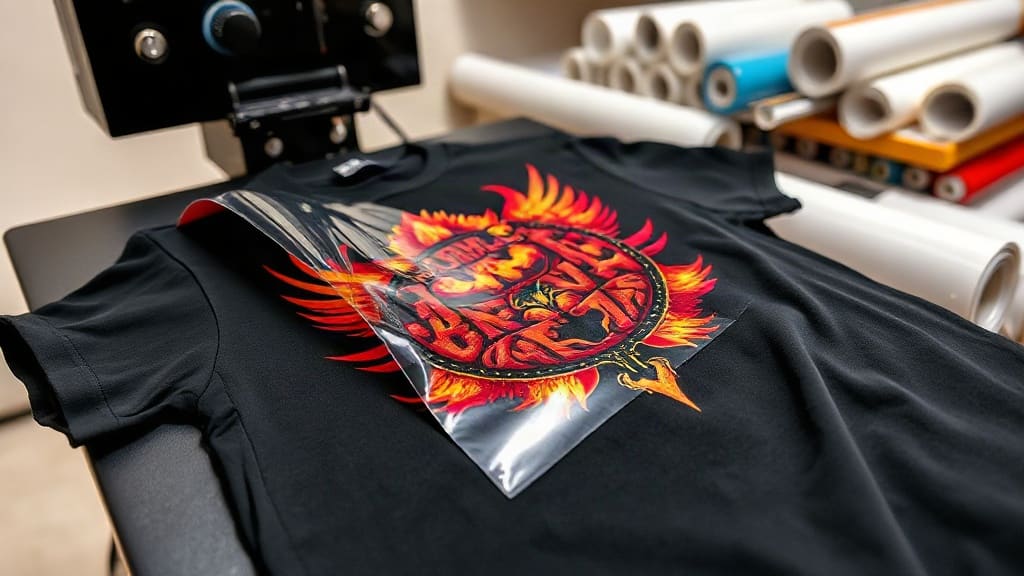
Imagine pressing a button and watching a design come to life on a cotton t-shirt or a polyester hoodie with equal vibrancy and durability. That's the promise of DTF transfers, a technology that has rapidly reshaped the custom apparel industry. Unlike traditional methods that require specific fabrics or minimum orders, DTF transfers offer unmatched flexibility and quality, making them a go-to choice for small businesses, crafters, and large-scale producers alike. In this guide, we'll dive deep into what DTF transfers are, how they work, and why they might be the perfect solution for your next project.
What Are DTF Transfers?
DTF stands for Direct-to-Film. It's a printing method where your design is printed onto a special film, coated with a heat-activated adhesive powder, and then transferred onto fabric using a heat press. This process allows for full-color, high-detail prints without the constraints of cutting or weeding vinyl. The result is a soft, stretchable print that adheres to a wide range of materials, including cotton, polyester, blends, and even leather.
How DTF Transfers Work: A Step-by-Step Breakdown
Understanding the DTF process can help you troubleshoot issues and achieve professional results. Here's what happens from digital file to finished garment:
- Design Preparation: Your artwork is prepared in a graphics program, ensuring it's in the correct color mode (CMYK) and at the desired resolution. Unlike DTG, DTF doesn't require pre-treatment of the fabric, saving time and resources.
- Printing: A DTF printer lays down a layer of white ink (for opacity) followed by CMYK inks onto a PET film. The white ink acts as a base, allowing the colors to pop on dark fabrics.
- Powdering: While the ink is still wet, a fine thermoplastic powder is applied to the film. This powder will become the adhesive that bonds the print to the fabric.
- Curing: The film passes through a curing oven or under a heat source to melt the powder and set the ink. This step is crucial for durability.
- Transfer: The cured film is placed on the garment and pressed with a heat press at a specific temperature, time, and pressure. Once cooled, the film is peeled away, leaving the design behind.
Why Choose DTF Transfers Over Other Methods?
With so many printing options available, DTF stands out for several compelling reasons:
- Fabric Versatility: DTF works on virtually any fabric, including 100% cotton, polyester, blends, and even treated leather. This eliminates the need for multiple printing methods.
- No Weeding or Cutting: Unlike heat transfer vinyl (HTV), DTF requires no manual weeding, making it ideal for intricate designs with fine details.
- Vibrant Colors: The white ink base ensures that colors remain bright and opaque, even on dark garments.
- Durability: When applied correctly, DTF prints resist cracking, peeling, and fading, even after multiple washes.
- Cost-Effective for Short Runs: DTF is economical for small batches since there's no minimum order quantity and no setup fees like screen printing.
DTF vs. DTG vs. Screen Printing: A Comparison
To help you decide, here's how DTF stacks up against two other popular methods:
- DTF vs. DTG: DTG (Direct-to-Garment) prints directly onto the fabric and works best on 100% cotton. It requires pre-treatment, which adds time and cost. DTF, on the other hand, adheres to more materials and doesn't need pre-treatment. DTF prints also tend to be more durable and vibrant on dark colors.
- DTF vs. Screen Printing: Screen printing is cost-effective for large orders but requires separate screens for each color, making it impractical for complex designs or small batches. DTF excels in short runs and full-color designs without setup costs.
Applications of DTF Transfers
DTF transfers are used across various industries and personal projects. Here are some common applications:
- Custom t-shirts, hoodies, and sportswear
- Corporate uniforms and promotional items
- Personalized gifts and merchandise for events
- Fashion apparel with intricate designs
- Home textiles like pillows and tote bags
Expert Tips for Perfect DTF Transfers
Getting flawless results with DTF transfers requires attention to detail. Here are some best practices:
- Choose the Right Film: Use high-quality PET film designed for DTF. Cheaper films can cause ink bleeding or poor adhesion.
- Control Moisture: Store film and powder in a dry environment. Moisture can ruin the powder and affect print quality.
- Calibrate Your Heat Press: Temperature, pressure, and time must be precise. Always test with a sample garment first.
- Pre-Press the Garment: This removes wrinkles and moisture, ensuring a smooth surface for the transfer.
- Cool Peel: Let the transfer cool completely before peeling the film. This prevents the design from stretching or smearing.
Common Mistakes to Avoid
Even experienced printers can run into issues. Watch out for these pitfalls:
- Insufficient Pressure: Without enough pressure, the transfer won't adhere properly, leading to early peeling.
- Wrong Temperature: Too hot and the film may melt or scorch; too cold and the adhesive won't activate.
- Reusing Film: DTF film is single-use. Attempting to reuse it will result in poor transfers.
- Ignoring Fabric Type: While DTF works on many fabrics, some require lower temperatures (e.g., nylon) to avoid damage.
Frequently Asked Questions About DTF Transfers
How durable are DTF transfers?
When applied correctly, DTF transfers can last as long as the garment itself. They resist cracking, peeling, and fading through repeated washing. For best results, wash inside out in cold water and avoid bleach.
Can I use DTF transfers on dark colors?
Absolutely. DTF transfers include a white ink base that makes colors vibrant on dark fabrics. This is a major advantage over DTG, which may require multiple passes.
What fabrics work best with DTF transfers?
DTF works on cotton, polyester, blends, leather, and more. It's particularly useful for poly-cotton blends where other methods struggle.
Do I need a special printer for DTF?
Yes, DTF requires a dedicated DTF printer (often a modified Epson or Ricoh) and a curing oven or heat gun. However, you can also buy pre-printed DTF transfers from suppliers if you don't want to invest in equipment.
How do I store DTF transfers?
Store unused transfers in a cool, dry place away from direct sunlight. Keep them in a sealed bag to prevent moisture exposure. Properly stored transfers can last for months.
DTF transfers are more than a trend; they're a versatile, durable, and cost-effective solution for custom apparel. Whether you're a hobbyist or a business owner, mastering this technology can open up new creative and commercial opportunities. With the tips and insights shared here, you're well on your way to producing stunning, long-lasting prints that impress.