
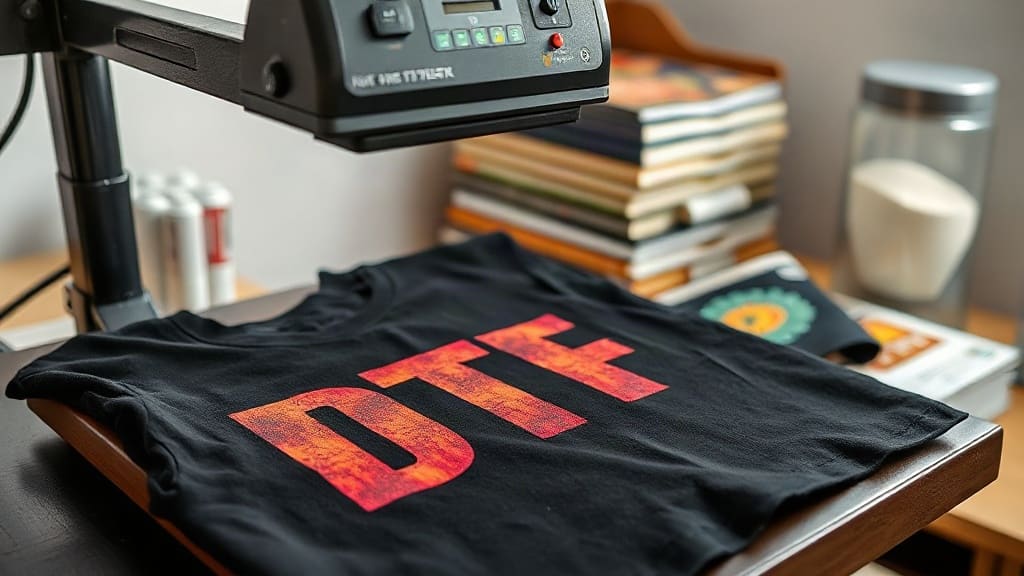
When you want to create custom t-shirts, hoodies, or tote bags, the method you choose for applying designs can make or break the final product. DTF transfers have rapidly gained popularity among crafters and small business owners for their versatility and vibrant results. Unlike traditional heat transfer vinyl (HTV) or screen printing, DTF transfers allow you to print full-color designs on a wide range of fabrics without the need for weeding or layering. In this guide, we'll walk you through everything you need to know about DTF transfers, from the basics to advanced tips, so you can decide if this technology is right for your next project.
What Are DTF Transfers?
DTF stands for Direct to Film. It's a printing method where your design is printed onto a special film using a DTF printer, then coated with a powdered adhesive and cured. The resulting transfer can be stored and later applied to fabric using a heat press. The key difference from other methods is that the design is printed on a film, not directly onto the fabric or cut from vinyl. This means you can achieve intricate details, gradients, and photographic images with ease.
The DTF Printing Process
The process begins with a digital design. A DTF printer uses CMYK and white inks to print the image onto a PET film. After printing, a layer of hot-melt adhesive powder is applied while the ink is still wet. The film is then cured in an oven or with a heat gun. Once cured, the transfer is ready to be applied. The application itself is straightforward: place the transfer on the fabric, press with a heat press at around 160°C (320°F) for 10-15 seconds, and peel the film off either hot or cold, depending on the film type.
Why Choose DTF Transfers Over Other Methods?
There are several compelling reasons why DTF transfers have become a go-to for many apparel decorators.
- No weeding or cutting: Unlike HTV, you don't need to cut around each color or remove excess vinyl. This saves hours of tedious work, especially for complex designs.
- Works on almost any fabric: DTF transfers adhere well to cotton, polyester, blends, and even treated leather. This versatility means you can offer custom apparel for a wide range of products.
- Full-color and photographic detail: Because it's a digital print, you can reproduce stunning gradients, fine lines, and photos that would be impossible with vinyl.
- Durability: When applied correctly, DTF transfers are washable and resistant to cracking and fading. They can last as long as the garment itself.
- Cost-effective for small batches: Without setup fees or minimum orders, DTF is ideal for one-off projects or small runs, making it perfect for small businesses and personalization.
DTF vs. Other Decorating Methods
To help you decide, let's compare DTF with some common alternatives.
DTF vs. HTV (Heat Transfer Vinyl)
HTV requires cutting and weeding, which is time-consuming and limits design complexity. DTF wins for detailed, multi-color designs. However, HTV can be more cost-effective for simple one-color text or shapes. If you frequently do complex artwork, DTF is a game-changer.
DTF vs. Screen Printing
Screen printing offers excellent durability and is cost-effective for large orders, but it requires separate screens for each color, making short runs expensive. DTF has no setup costs and handles full-color designs easily, making it better for small batches and intricate art.
DTF vs. DTG (Direct to Garment)
DTG prints directly onto the garment, which is great for 100% cotton but less effective on dark or synthetic fabrics. DTF transfers can be applied to a wider range of materials and often produce more vibrant colors on dark garments due to the white ink layer.
How to Apply DTF Transfers: Step-by-Step
Applying DTF transfers is straightforward, but following the right steps ensures a professional finish.
- Preheat your heat press: Set the temperature to 160°C (320°F) and preheat the garment for a few seconds to remove moisture and wrinkles.
- Position the transfer: Place the DTF transfer on the garment with the printed side facing up. The adhesive side is already on the film.
- Press: Cover with a Teflon sheet or parchment paper and press with medium pressure for 10-15 seconds.
- Peel: Remove the film either hot or cold, depending on the film's instructions. Most DTF films are cold peel, but some are hot peel. Check your supplier's guidelines.
- Post-press: For added durability, you can press again for a few seconds with a cover sheet.
Common Mistakes to Avoid
- Insufficient pressure: Without enough pressure, the adhesive won't bond properly, leading to peeling.
- Wrong temperature: Too hot can burn the film or scorch the fabric; too cold means the adhesive won't activate.
- Not preheating: Moisture in the fabric can cause the transfer to lift.
- Peeling too early or too late: Follow the film's peel instructions; otherwise, the design may crack or stick to the film.
Choosing the Right DTF Supplies
Not all DTF films and powders are created equal. Quality supplies make a big difference in the final outcome. Look for films that are compatible with your printer and offer good ink absorption. The adhesive powder should have a fine consistency for even coating. Also, consider the type of printer you have: dedicated DTF printers are available, but some crafters convert Epson printers for DTF use. If you're just starting, you might buy pre-printed transfers from a supplier to test the waters before investing in a printer.
Tips for Vibrant and Long-Lasting DTF Transfers
To get the best results, keep these tips in mind:
- Use high-quality ink: DTF inks are specially formulated for the process. Using generic inks can lead to clogged nozzles and poor color reproduction.
- Store transfers properly: Keep unused transfers in a cool, dry place away from direct sunlight. They can last for months if stored correctly.
- Wash garments inside out: To prolong the life of the transfer, wash in cold water and tumble dry low or hang dry.
- Test on scrap fabric: Before pressing onto a final garment, do a test press to dial in your settings.
Frequently Asked Questions About DTF Transfers
Can I use DTF transfers on dark fabrics?
Absolutely. DTF transfers include a white ink layer that makes colors pop on dark fabrics. This is one of the main advantages over DTG printing, which may require a white underbase that can feel heavy.
How durable are DTF transfers?
When applied correctly, DTF transfers are very durable. They can withstand dozens of washes without fading or cracking. Proper washing and avoiding high heat in the dryer will extend their life.
Do I need a special printer for DTF?
Yes, you need a DTF printer that uses DTF inks and can handle the film. Some people convert Epson printers, but dedicated DTF printers are recommended for consistent results. Alternatively, you can buy pre-printed transfers from suppliers.
What fabrics work best with DTF?
DTF works on a wide range of fabrics, including cotton, polyester, blends, and even leather. It's not recommended for fabrics with a heavy coating or waterproof finish, as the adhesive may not bond properly.
How do I remove a DTF transfer if I make a mistake?
If you need to remove a DTF transfer, you can use a heat press or iron to reheat the transfer and peel it off while hot. Be careful not to scorch the fabric. Sometimes a bit of adhesive residue remains; you can use a commercial adhesive remover or apply a new transfer over it.
DTF transfers offer a fantastic way to create custom apparel with vibrant, detailed designs on almost any fabric. Whether you're a hobbyist or a small business owner, understanding the process and following best practices will help you achieve professional-looking results. With the right supplies and a bit of practice, you'll be able to unleash your creativity and impress your customers.