
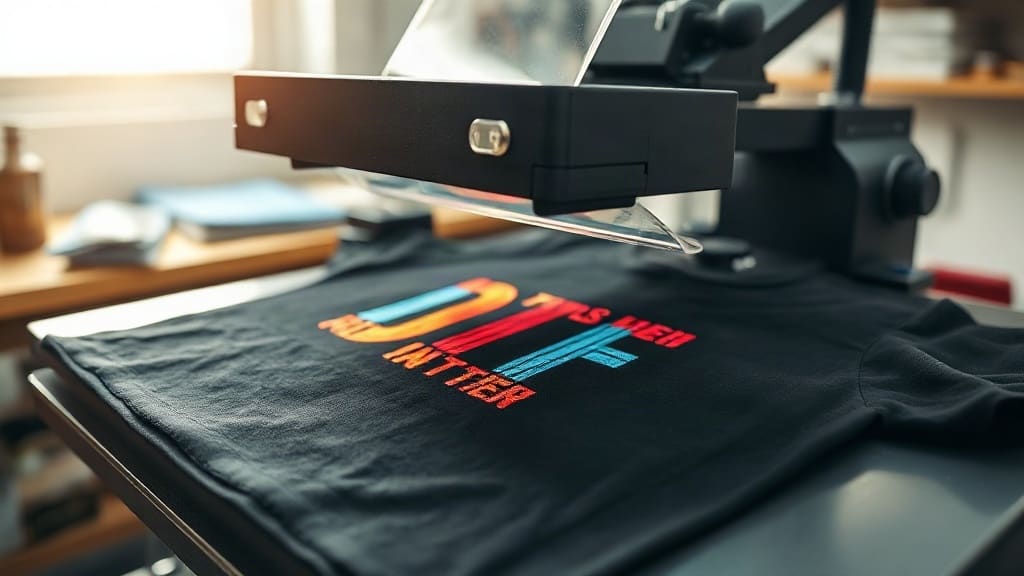
Custom apparel has never been more popular, and DTF transfers are quickly becoming the go-to method for bringing intricate designs to life on fabrics. Whether you're a small business owner, a hobbyist, or someone looking to create personalized gifts, understanding DTF transfers can open up a world of creative possibilities. In this guide, we'll dive deep into what DTF transfers are, how they work, and why they might be the perfect solution for your next project.
What Are DTF Transfers?
DTF stands for Direct to Film. It's a printing technology where your design is printed onto a special film, coated with a powder adhesive, and then heat-pressed onto the fabric. Unlike DTG (Direct to Garment) or screen printing, DTF transfers don't require pretreating the garment or using specialized inks for different colors. The process is versatile and works on a wide range of materials, including cotton, polyester, blends, and even leather.
The magic of DTF transfers lies in their ability to produce vibrant, full-color designs with fine details. The film acts as a carrier, and the adhesive powder ensures a strong bond when heat is applied. This method has gained traction because it eliminates many of the limitations of traditional printing techniques.
How DTF Transfers Work: Step by Step
Understanding the DTF process can help you appreciate why it's so effective. Here's a breakdown of the steps involved:
- Design Preparation: Your artwork is prepared digitally, ensuring it's mirrored and properly sized.
- Printing: The design is printed onto a PET film using special DTF inks. A white ink layer is often applied as a base to make colors pop on dark fabrics.
- Powdering: While the ink is still wet, a thermoplastic powder is sprinkled over the film. The excess powder is shaken off.
- Curing: The film is heated to melt the powder, creating a adhesive layer that will bond with the fabric.
- Transfer: The film is placed on the garment and heat-pressed. After cooling, the film is peeled away, leaving the design behind.
Each step requires attention to detail, but once mastered, the process is straightforward and can be scaled for small or large orders.
Why Choose DTF Transfers for Your Custom Apparel?
There are several compelling reasons to opt for DTF transfers over other decoration methods. Let's explore the key benefits.
Unmatched Versatility
DTF transfers adhere to almost any fabric type, including cotton, polyester, nylon, and blends. This is a significant advantage over DTG, which works best on 100% cotton, or vinyl cutting, which can be limited in color and detail. Whether you're printing on t-shirts, hoodies, tote bags, or even denim jackets, DTF transfers deliver consistent results.
Vibrant Colors and Fine Details
Because DTF uses CMYK plus white inks, you can achieve photographic-quality prints with gradients, fine lines, and small text. The white ink layer ensures that colors remain bright even on dark garments. This level of detail is hard to match with screen printing, which requires separate screens for each color.
Durability and Washability
When applied correctly, DTF transfers are extremely durable. They withstand repeated washing without fading, cracking, or peeling. The adhesive powder creates a flexible bond that moves with the fabric, so the print won't feel stiff or crack when stretched. Many users report that DTF prints outlast those from other methods.
Cost-Effective for Short Runs
Traditional screen printing becomes cost-effective only for large orders because of setup costs. DTF transfers, on the other hand, have no minimum order quantity and no setup fees. You can print one-off designs or small batches without breaking the bank. This makes DTF ideal for small businesses, personalized gifts, and prototyping.
Eco-Friendly Options
While not inherently eco-friendly, DTF transfers can be produced with water-based inks and biodegradable films, reducing environmental impact. As technology advances, more sustainable options are becoming available.
DTF Transfers vs. Other Printing Methods
To help you decide if DTF is right for you, let's compare it to other popular methods.
DTF vs. DTG
DTG (Direct to Garment) prints directly onto the fabric, skipping the film. It's great for 100% cotton but struggles with polyester and dark colors. DTF works on more fabrics and produces more vibrant colors on dark garments. However, DTG can be more cost-effective for large runs on light-colored cotton.
DTF vs. Screen Printing
Screen printing is the gold standard for bulk orders, offering excellent durability and color vibrancy. But it requires screens for each color, making it expensive for small runs. DTF is more flexible and cost-effective for short runs, but screen printing may still be cheaper for thousands of units.
DTF vs. Vinyl
Heat transfer vinyl (HTV) is great for simple designs and single-color text. It's easy to use but limited in complexity and color blending. DTF allows for full-color, detailed designs, making it superior for intricate artwork.
Applications of DTF Transfers
DTF transfers are used in a variety of settings:
- Custom T-shirts and Hoodies: Perfect for band merch, team uniforms, and promotional apparel.
- Sportswear: The flexibility and durability make DTF ideal for jerseys and activewear.
- Accessories: Tote bags, hats, and even shoes can be customized.
- Corporate Gifts: Branded items for employees or clients.
- Home Decor: Pillows, blankets, and wall hangings.
Tips for Successful DTF Transfers
To get the best results, keep these tips in mind:
- Choose the Right Film: Not all DTF films are created equal. Look for films designed for your printer and ink type.
- Control Moisture: Fabric should be dry before pressing. Moisture can interfere with adhesion.
- Pre-Press Garments: This removes wrinkles and moisture, ensuring a smooth surface.
- Use Consistent Pressure and Temperature: Follow the manufacturer's recommendations for your heat press.
- Test Peel: Always do a peel test after cooling to ensure the transfer is secure.
- Wash Inside Out: To prolong the life of the print, wash garments inside out in cold water and avoid fabric softeners.
Common Challenges and Solutions
Like any technique, DTF transfers can present challenges. Here are some common issues and how to overcome them:
Adhesion Problems
If the transfer peels off, it could be due to insufficient pressure, incorrect temperature, or a fabric that's not compatible. Ensure your heat press is calibrated and try a higher pressure or longer pressing time.
Color Fading
Fading can occur if the ink isn't properly cured or if the garment is washed in hot water. Use a heat gun or infrared thermometer to verify curing temperatures, and always follow care instructions.
Film Residue
Sometimes a sticky residue remains after peeling. This usually means the transfer wasn't cooled completely. Allow it to cool fully before peeling, or use a cold peel film if available.
Frequently Asked Questions About DTF Transfers
What fabrics work best with DTF transfers?
DTF transfers work well on cotton, polyester, blends, and even leather. For best results, choose fabrics with a smooth surface and minimal stretch. Cotton and cotton-poly blends are ideal.
How long do DTF transfers last?
With proper application and care, DTF transfers can last as long as the garment itself. They resist cracking and fading through many washes. Avoiding high heat and harsh chemicals will extend their life.
Can I use DTF transfers on dark colors?
Absolutely. DTF transfers include a white ink base that makes colors pop on dark fabrics. This is one of the key advantages over DTG printing.
Do I need a special printer for DTF?
Yes, you need a DTF printer that uses DTF inks and a powder shaker. However, you can also buy pre-printed DTF transfers from suppliers if you don't want to invest in equipment.
Is DTF printing cost-effective for small businesses?
Yes, DTF transfers are very cost-effective for small runs because there are no minimum orders or setup fees. You only pay for what you need, making it perfect for startups and custom orders.
Conclusion
DTF transfers have emerged as a powerful tool for custom apparel decoration, offering versatility, vibrant colors, and durability that rival traditional methods. Whether you're a seasoned professional or just starting out, incorporating DTF transfers into your workflow can expand your creative horizons and meet the demands of today's custom market. With the tips and insights shared here, you're well-equipped to explore this exciting technology and elevate your apparel projects.