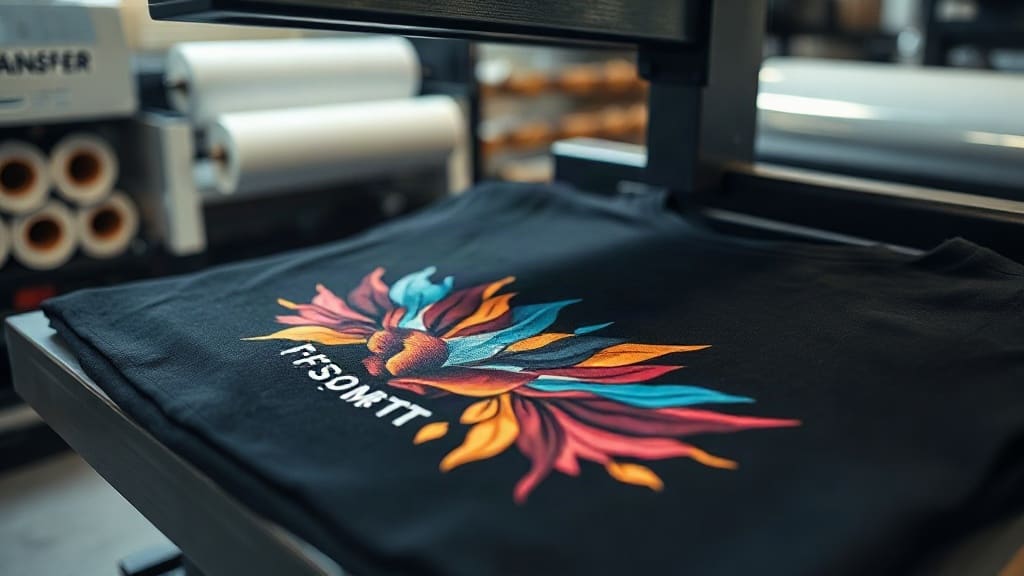
When you're in the business of custom apparel, the print method you choose can make or break your designs. Enter DTF transfers, a game-changing technology that's been shaking up the industry. Unlike traditional methods that limit you to certain fabrics or colors, DTF transfers let you print full-color, high-detail designs on virtually any material, from cotton and polyester to blends and even leather. If you've been searching for a way to offer your customers stunning, long-lasting prints without the hassle of screen setup or the limitations of vinyl, DTF transfers might just be your new best friend.
In this guide, we'll walk you through everything you need to know about DTF transfers: what they are, how they work, why they're taking over the custom apparel world, and how you can use them to grow your business. Whether you're a seasoned pro or just starting out, you'll find practical insights and tips to get the most out of this versatile printing method.
What Are DTF Transfers?
DTF stands for Direct to Film. It's a printing process where your design is printed onto a special film, coated with a heat-activated adhesive powder, and then transferred onto fabric using a heat press. The result is a vibrant, durable print that bonds seamlessly with the fabric fibers.
The magic of DTF transfers lies in their simplicity and flexibility. You don't need to pretreat the fabric (unlike DTG printing), and you don't need to worry about color limitations (unlike screen printing). Plus, because the design sits on top of the fabric rather than being dyed into it, you can achieve bright, opaque colors even on dark garments.
The DTF Printing Process Step by Step
Understanding how DTF transfers are made helps you appreciate their advantages. Here's a breakdown of the process:
- Design Preparation: Your artwork is prepared in a graphics program, ensuring it's in the correct color mode (usually CMYK) and at the desired resolution (300 DPI is standard).
- Printing: The design is printed onto a special PET film using a DTF printer equipped with pigment inks. The printer lays down a layer of white ink first (for opacity) followed by the color layers.
- Powdering: While the ink is still wet, a thermoplastic adhesive powder is applied evenly over the printed design. The excess powder is shaken off.
- Curing: The film with the powder is then heated to melt the adhesive, creating a bond that will later fuse with the fabric.
- Transfer: Once cured, the transfer is ready to be applied. You place it on the garment and use a heat press to apply pressure and heat for a set time (typically 15-20 seconds at 325°F).
- Peeling: After pressing, you peel away the film (hot peel or cold peel depending on the film type), leaving the design perfectly adhered to the fabric.
This process might sound technical, but it's actually quite streamlined. Many small businesses and hobbyists have adopted DTF printing because the equipment is relatively affordable and the learning curve is manageable.
Why Choose DTF Transfers for Your Custom Apparel?
There are plenty of printing methods out there, so why should DTF transfers be on your radar? Let's break down the key benefits.
1. Unmatched Versatility
DTF transfers work on a wide range of fabrics, including cotton, polyester, nylon, leather, and blends. This means you can offer your customers custom designs on t-shirts, hoodies, tote bags, caps, and even shoes without worrying about whether the print will adhere properly. Unlike heat transfer vinyl (HTV), which requires different types for different fabrics, DTF is a one-size-fits-all solution.
2. Vibrant, Full-Color Prints
Because DTF printers use CMYK+White inks, you can reproduce complex, multi-color designs with gradients and fine details. The white ink base ensures that colors pop even on dark garments, so you're not limited to light-colored apparel.
3. Durability That Lasts
When applied correctly, DTF transfers are incredibly durable. They withstand repeated washing without fading, cracking, or peeling. The adhesive powder creates a strong bond that flexes with the fabric, so even stretchy materials won't cause the print to break apart.
4. Cost-Effective for Short Runs
Unlike screen printing, which requires separate screens for each color and becomes cost-effective only at higher quantities, DTF transfers are economical for small batches. You can print one-off designs or small orders without incurring hefty setup costs. This makes DTF ideal for personalized gifts, samples, or limited-edition drops.
5. No Pretreatment Needed
DTG printing requires pretreating the garment to ensure the ink bonds properly, which adds time and cost. DTF skips this step entirely, streamlining your workflow and reducing potential errors.
DTF Transfers vs. Other Printing Methods
To truly appreciate DTF, it helps to see how it stacks up against other popular printing techniques.
DTF vs. DTG (Direct to Garment)
DTG prints directly onto the fabric, which works well for 100% cotton but struggles on polyester and blends. DTF, on the other hand, adheres to almost any fabric. DTG also requires pretreatment, while DTF does not. In terms of durability, DTF prints tend to last longer because the adhesive bond is stronger than DTG ink penetration.
DTF vs. Screen Printing
Screen printing is the go-to for large orders of simple designs. It's cost-effective at high volumes but expensive for small runs due to screen setup. DTF transfers have no setup costs and can handle complex designs with ease. However, for very large orders of a single design, screen printing might still be more economical.
DTF vs. HTV (Heat Transfer Vinyl)
HTV is great for simple, single-color designs and letters. It requires weeding (removing excess vinyl), which is time-consuming for intricate designs. DTF transfers eliminate weeding entirely and can produce full-color, detailed graphics that would be impossible with HTV.
How to Get Started with DTF Transfers
Ready to dive into DTF? Here's a step-by-step guide to help you get started.
1. Choose Your Equipment
You'll need a DTF printer, which can range from a few thousand dollars for entry-level models to tens of thousands for industrial machines. Popular brands include Epson (with DTF conversion kits) and dedicated DTF printers from companies like Vivid and STS. You'll also need a heat press capable of reaching 325°F and applying even pressure.
2. Select Your Supplies
Quality supplies are crucial. Use DTF film designed for your printer, and high-quality DTF ink and adhesive powder. Cheaper alternatives may clog your printer or produce poor results.
3. Master the Software
Your design software (Adobe Photoshop, Illustrator, or CorelDRAW) should be set up for DTF printing. Ensure your designs are in CMYK color mode and mirror-imaged before printing (since the transfer is flipped when applied).
4. Practice the Process
Like any craft, DTF printing has a learning curve. Start with simple designs, adjust your printer settings, and experiment with press time and temperature. Keep a log of what works to build your own reference guide.
5. Market Your Services
Once you've mastered DTF, you can offer custom apparel to a wide audience. Highlight the benefits: no color limits, works on any fabric, and durable prints. Use social media to showcase your work and attract customers.
Common Mistakes to Avoid with DTF Transfers
Even experienced printers can run into issues. Here are some pitfalls to watch out for.
- Insufficient Pressure: If the heat press doesn't apply enough pressure, the transfer won't adhere properly, leading to peeling. Always check your press's pressure settings.
- Wrong Temperature: Too hot and the film may curl or the adhesive may burn; too cold and the powder won't melt. Stick to the recommended 325°F.
- Not Enough Powder: If the adhesive powder isn't applied evenly, some areas may not bond. Ensure full coverage and shake off excess.
- Peeling Too Soon or Too Late: Follow the film manufacturer's instructions for hot peel or cold peel. Peeling at the wrong time can ruin the transfer.
- Poor Quality Film: Using cheap film can cause ink bleeding or difficulty in peeling. Invest in reputable brands.
By avoiding these mistakes, you'll achieve consistent, professional results.
Applications of DTF Transfers
DTF transfers are incredibly versatile and can be used for a variety of applications beyond t-shirts. Here are some ideas:
- Sportswear: Jerseys, shorts, and jackets with team logos and numbers.
- Corporate Apparel: Branded polos, hats, and bags for company events.
- Fashion: Custom denim jackets, jeans, and dresses with intricate designs.
- Accessories: Tote bags, backpacks, and even phone cases.
- Home Decor: Pillows, curtains, and upholstery with personalized patterns.
The possibilities are nearly endless, limited only by your creativity.
Frequently Asked Questions About DTF Transfers
How long do DTF transfers last?
With proper application and care, DTF transfers can last as long as the garment itself. They withstand dozens of washes without fading or cracking. To maximize longevity, wash garments inside out in cold water and avoid ironing directly on the print.
Can I use DTF transfers on 100% polyester?
Yes, DTF transfers work excellently on polyester. The low-temperature application (compared to some other methods) prevents the polyester from melting or discoloring. The print remains flexible and vibrant.
Do I need a special printer for DTF transfers?
You need a DTF printer, which is specifically designed to print with DTF inks onto film. Some people convert standard inkjet printers, but dedicated DTF printers yield better reliability and print quality. If you're not ready to invest, you can also buy pre-printed DTF transfers from suppliers and apply them with a heat press.
What fabrics are not suitable for DTF transfers?
DTF transfers adhere well to most fabrics, but they may not work on highly textured or coated materials like nylon with a waterproof coating or fabrics treated with silicone. Always test on a small area first.
How do I store DTF transfers?
Store unused DTF transfers in a cool, dry place away from direct sunlight. Keep them flat to prevent curling. Properly stored transfers can last for several months.
Final Thoughts
DTF transfers are a powerful tool for anyone in the custom apparel business. They offer unmatched versatility, vibrant colors, and durability, all without the limitations of traditional printing methods. Whether you're a small business owner looking to expand your offerings or a hobbyist wanting to create personalized gifts, DTF transfers provide a cost-effective and high-quality solution.
As with any craft, success comes with practice and attention to detail. Invest in quality equipment and supplies, follow the best practices outlined here, and don't be afraid to experiment. Before you know it, you'll be producing stunning, long-lasting custom apparel that your customers will love.