
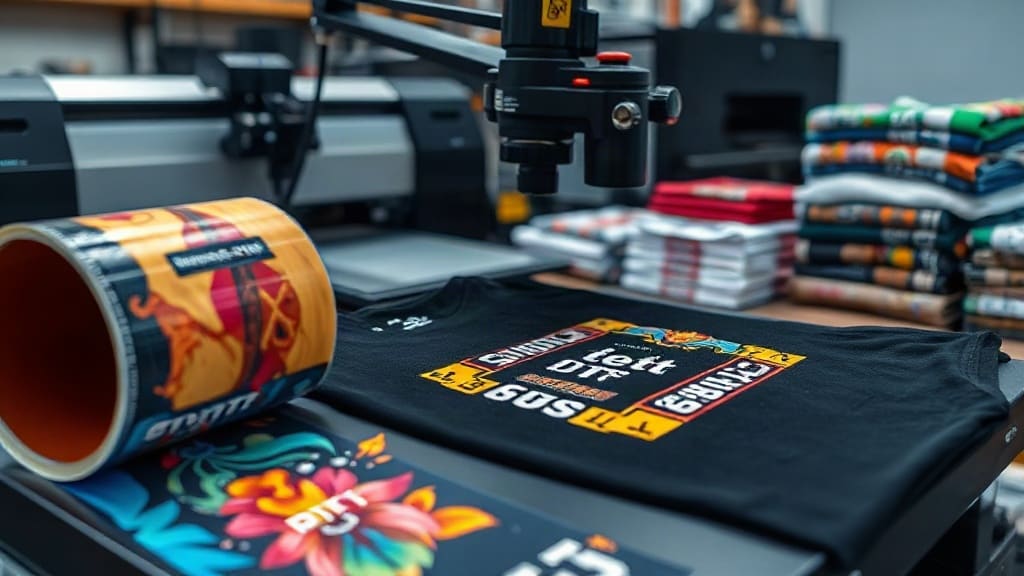
Custom apparel has never been more accessible, thanks to DTF transfers. Whether you're a small business owner looking to offer personalized t-shirts or a DIY enthusiast wanting to create unique gifts, DTF transfers provide a game-changing solution. Unlike traditional methods that limit your fabric choices or require complex setups, DTF transfers deliver stunning, full-color designs on almost any material. In this guide, we'll dive deep into what DTF transfers are, how they work, and why they've become a staple in the custom printing industry.
What Are DTF Transfers?
DTF stands for Direct to Film. It's a printing technique where your design is printed onto a special PET film using water-based inks, then coated with a hot-melt adhesive powder. Once the powder is cured, the transfer is ready to be applied to fabric using a heat press. The result is a soft, stretchable, and incredibly durable print that bonds permanently to the material.
What sets DTF apart from other methods like DTG (Direct to Garment) or screen printing is its versatility. You can print on cotton, polyester, blends, and even tough fabrics like canvas and denim. Plus, DTF transfers don't require pre-treatment of the fabric, saving you time and equipment costs.
How DTF Transfers Work: Step by Step
Understanding the process helps you appreciate the magic behind DTF transfers. Here's a breakdown of the steps involved:
- Design Preparation: Your artwork is prepared digitally, ensuring it's mirrored and sized correctly. The printer uses CMYK plus white ink to create vibrant colors and an opaque base.
- Printing: A specialized DTF printer lays down the ink onto a PET film. The white ink is printed first as a base, followed by the color layers.
- Powder Application: While the ink is still wet, a hot-melt adhesive powder is sprinkled over the film. The excess powder is shaken off, leaving a thin, even layer.
- Curing: The film passes through a curing oven or under a heat source to melt the powder, creating a solid adhesive layer.
- Transfer: The film is placed onto the fabric and pressed with a heat press at around 325°F (160°C) for 15-20 seconds. After cooling, the film is peeled away, leaving the design bonded to the fabric.
Each step is crucial for achieving a professional finish. Skipping or rushing any stage can lead to poor adhesion, dull colors, or a short lifespan.
Why Choose DTF Transfers Over Other Methods?
With so many printing options available, you might wonder what makes DTF transfers stand out. Here are the key advantages:
- Fabric Versatility: Works on cotton, polyester, blends, nylon, leather, and more. No need to stock multiple transfer types.
- No Pre-Treatment: Unlike DTG, DTF doesn't require pre-treating the garment, saving time and chemicals.
- Vibrant Colors: The white ink base allows for bright, opaque colors even on dark fabrics.
- Durability: When applied correctly, DTF prints withstand repeated washing without cracking or fading.
- Cost-Effective for Small Runs: No setup fees or minimum orders, making it ideal for one-offs or small batches.
- Soft Feel: The prints are thin and stretchable, offering a comfortable wear.
These benefits have made DTF transfers a favorite among custom apparel creators, from hobbyists to large-scale producers.
Choosing the Right DTF Transfer Supplies
Not all DTF supplies are created equal. To achieve professional results, you need quality materials:
DTF Printer and Inks
Invest in a reliable DTF printer that uses high-quality water-based inks. The ink formulation affects color vibrancy and washability. Look for printers with white ink circulation systems to prevent clogging.
PET Film
The film must be compatible with DTF inks and able to withstand the heat press. Thickness matters: thinner films (75-100 microns) conform better to fabric textures, while thicker films (100-125 microns) are more durable for heavy-duty use.
Adhesive Powder
Thermoplastic polyurethane (TPU) powder is the standard. It melts at low temperatures and provides strong adhesion. Finer powders (80-200 microns) are better for detailed designs.
Mastering the Heat Press for DTF Transfers
The heat press is your most critical tool. Incorrect settings can ruin a transfer. Follow these guidelines:
- Temperature: 325°F (160°C) is the sweet spot for most DTF transfers. Too low, and the adhesive won't activate; too high, and the film may warp or the ink may scorch.
- Pressure: Medium to high pressure ensures even contact. Aim for 40-60 PSI.
- Time: 15-20 seconds for standard transfers. Thicker fabrics may require a few extra seconds.
- Peel: Wait for the transfer to cool completely before peeling (cold peel). This prevents the design from stretching or lifting.
Always test on a scrap piece of fabric before pressing your final garment.
Common Mistakes to Avoid with DTF Transfers
Even seasoned pros can slip up. Here are pitfalls to watch for:
- Insufficient Curing: If the powder isn't fully melted, the transfer won't adhere properly. Ensure your curing oven reaches the right temperature.
- Over-Pressing: Too much heat or time can cause the film to shrink or the ink to discolor.
- Wrong Fabric: While DTF works on many fabrics, some like highly textured or coated materials may require special films or techniques.
- Poor Storage: Store unused transfers in a cool, dry place to prevent the adhesive from absorbing moisture.
By avoiding these mistakes, you'll achieve consistent, professional results.
DTF Transfers vs. Other Printing Methods
Let's compare DTF with popular alternatives:
- DTG: Best for 100% cotton, but requires pre-treatment and can be less vibrant on dark colors. DTF wins on versatility and color vibrancy.
- Screen Printing: Cost-effective for large orders but impractical for small runs or complex designs. DTF shines for detailed, multi-color prints without setup costs.
- Vinyl: Great for simple designs but limited in color and detail. DTF allows full-color photographs and gradients.
- Sublimation: Only works on polyester and light-colored fabrics. DTF works on almost anything.
Each method has its place, but DTF transfers offer a unique blend of flexibility, quality, and cost-efficiency.
Applications of DTF Transfers
From fashion to promotional products, DTF transfers are everywhere:
- Custom T-shirts: Perfect for bands, sports teams, and personal gifts.
- Activewear: The stretchable prints move with the fabric, ideal for leggings and jerseys.
- Denim Jackets: Add intricate designs to denim without the bulk of embroidery.
- Corporate Uniforms: Create branded apparel for staff with logos and names.
- Home Decor: Personalize pillows, tote bags, and more.
The possibilities are endless, limited only by your imagination.
Tips for Long-Lasting DTF Prints
To ensure your DTF transfers stand the test of time:
- Wash garments inside out in cold water.
- Avoid using bleach or fabric softeners.
- Tumble dry on low or hang to dry.
- Iron inside out, never directly on the print.
- Wait 24 hours after pressing before washing.
Following these care instructions will keep your prints looking fresh for years.
Frequently Asked Questions About DTF Transfers
How long do DTF transfers last?
With proper application and care, DTF transfers can last 50+ washes without fading or cracking. The key is correct curing and cold peel.
Can I use DTF transfers on dark colors?
Absolutely. The white ink base in DTF printing ensures vibrant colors on dark fabrics, unlike some other methods.
Do I need a special printer for DTF?
Yes, DTF requires a dedicated DTF printer that uses water-based inks and white ink. However, you can also buy pre-printed DTF transfers from suppliers.
What fabrics work best with DTF transfers?
DTF works on cotton, polyester, blends, nylon, leather, and more. It's one of the most versatile printing methods available.
Final Thoughts
DTF transfers have transformed the custom apparel industry by offering unparalleled versatility, vibrant colors, and durability. Whether you're a business owner or a hobbyist, understanding the ins and outs of DTF can elevate your creations. With the right supplies and techniques, you can produce professional-grade apparel that delights customers and stands the test of time. So why wait? Dive into the world of DTF transfers and unleash your creativity.