
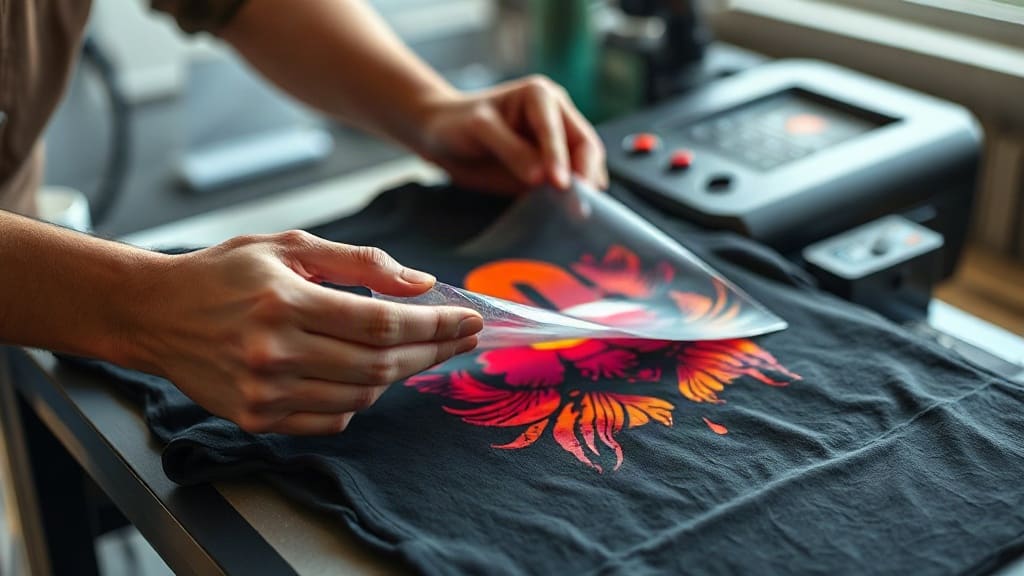
If you've been exploring custom apparel printing, you've likely heard about DTF transfers. This technology has quickly become a favorite among hobbyists and professionals alike, offering vibrant colors and lasting durability on a wide range of fabrics. Unlike traditional methods that require specific materials, DTF transfers open up a world of possibilities for personalizing t-shirts, tote bags, and more. In this guide, I'll walk you through everything you need to know to get started, from the basics of the process to practical tips for flawless results.
What Are DTF Transfers?
DTF stands for Direct to Film. It's a printing method where your design is printed onto a special film, coated with a powder adhesive, and then heat-pressed onto your fabric. The result is a soft, stretchable print that bonds permanently to the material. Unlike DTG (Direct to Garment) printing, which prints directly onto the fabric, DTF transfers allow you to print on virtually any fabric, including cotton, polyester, blends, and even leather. This versatility makes DTF transfers a game-changer for small businesses and crafters who want to offer a variety of products without investing in multiple printing systems.
How DTF Transfers Work: Step by Step
Understanding the process helps you troubleshoot and achieve better results. Here's a breakdown of the key steps involved in creating a DTF transfer.
1. Design Preparation
Start with a high-resolution image. DTF printing can handle fine details and gradients, but low-resolution files will look pixelated. Use design software to prepare your artwork, and remember to mirror the image horizontally before printing. This is crucial because the film is pressed face-down onto the fabric, so the design must be reversed to appear correctly.
2. Printing onto Film
Your design is printed onto a PET film using specialized DTF inks. These inks are vibrant and opaque, allowing for bright colors even on dark garments. A white ink layer is typically printed underneath the colors to ensure opacity. The printer lays down the ink in a precise pattern, and the film is then dusted with a hot-melt adhesive powder.
3. Curing the Powder
After powdering, the film goes through a curing process, usually with a heat press or a conveyor oven. The heat melts the powder, creating a adhesive layer that will bond with the fabric. Proper curing is essential; undercured transfers may peel, while overcured ones can become brittle.
4. Heat Pressing onto Fabric
Once cured, the transfer is ready to be applied. You heat press it onto your fabric at a specific temperature, pressure, and time. After pressing, you peel off the film (either hot or cold, depending on the film type), leaving the design behind. The result is a smooth, flexible print that feels like part of the garment.
Why Choose DTF Transfers?
There are several compelling reasons why DTF transfers have become so popular. Let's explore the main benefits.
- Fabric versatility: Works on cotton, polyester, blends, leather, and more. No need for pre-treatment.
- Vibrant colors: The white ink base allows for bright, opaque prints on any color fabric.
- Durability: When applied correctly, DTF prints withstand repeated washing without fading or cracking.
- Soft feel: The prints are thin and stretch with the fabric, making them comfortable to wear.
- Cost-effective for small batches: No minimum order quantities, ideal for custom orders.
Common Challenges and How to Overcome Them
While DTF is user-friendly, beginners often face a few hurdles. Here are some common issues and their solutions.
Peeling or Cracking
If your transfer peels after washing, it's likely due to insufficient pressure, incorrect temperature, or undercuring. Invest in a good heat press with consistent pressure and use a temperature gun to verify. Always follow the film manufacturer's guidelines.
Dull Colors
Dull prints can result from using too little white ink or improper curing. Ensure your printer's white ink channels are clean and that you're using the correct powder. Also, check that your fabric is clean and free of fabric softener.
Adhesive Residue
Sometimes, a sticky residue remains on the fabric after peeling. This usually means the transfer was overcured or the powder was applied too thickly. Adjust your curing time and powder application.
Essential Equipment for DTF Printing
To get started with DTF transfers, you'll need a few key pieces of equipment. Here's what you'll need:
- DTF printer: A dedicated printer with DTF inks, or a converted inkjet printer.
- PET film: Specifically designed for DTF printing.
- Hot-melt adhesive powder: Available in fine or medium grades.
- Curing oven or heat press: For melting the powder.
- Heat press: For applying the transfer to the fabric.
- Design software: Such as Photoshop, Illustrator, or free alternatives like GIMP.
Tips for Flawless DTF Transfers
After countless trials in my own workshop, I've picked up a few tricks that make a big difference. First, always do a test press on a scrap piece of fabric to dial in your settings. Second, store your unused film in a cool, dry place to prevent moisture absorption. Third, when peeling, use a smooth, steady motion; jerking can distort the print. Finally, wash garments inside out in cold water and avoid bleach to extend the life of your prints.
Frequently Asked Questions
Can I use DTF transfers on dark colored shirts?
Absolutely. DTF transfers include a white ink base that makes colors pop on dark fabrics. This is one of the biggest advantages over other printing methods.
How long do DTF prints last?
With proper application and care, DTF prints can last as long as the garment itself. They resist cracking, fading, and peeling through many wash cycles.
Do I need a special printer for DTF?
Yes, you need a printer capable of handling DTF inks and printing on film. Many people convert Epson printers for this purpose, but dedicated DTF printers are also available.
What fabrics work best with DTF?
DTF works on almost any fabric, including cotton, polyester, blends, leather, and even some synthetics. It's one of the most versatile printing methods available.
Is DTF printing cost-effective for small businesses?
Yes, especially for small batches. There's no minimum order, and the cost per print is reasonable. It's a great option for startups and crafters.