
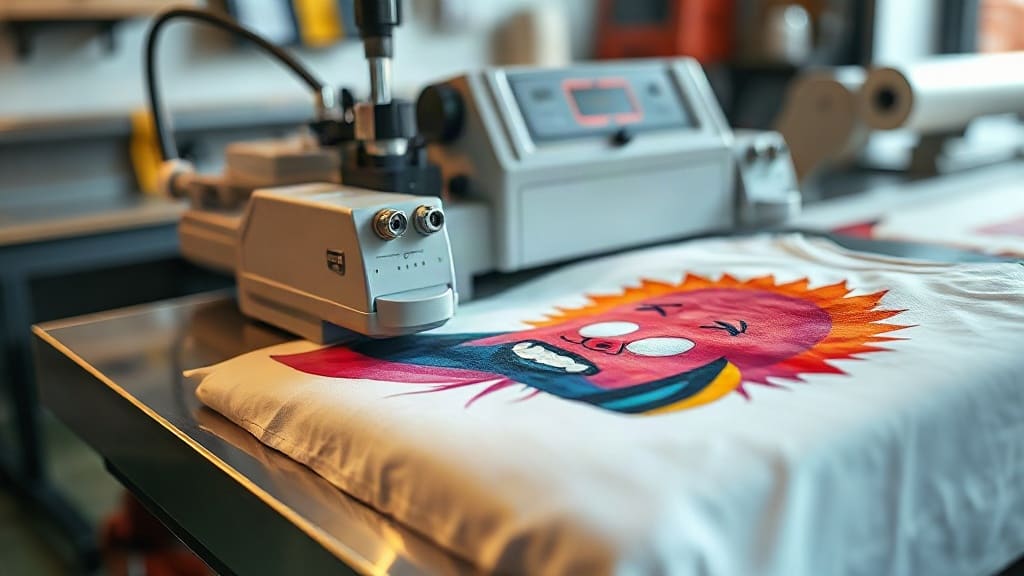
If you have been exploring print on demand (POD) for custom apparel, you have likely encountered the term DTF. It stands for Direct to Film, and it is quickly becoming a favorite among small business owners and hobbyists who want vibrant, durable prints without the hassle of screen printing or the limitations of vinyl. Unlike DTG (Direct to Garment), which prints directly onto fabric, DTF involves printing your design onto a special film, applying adhesive powder, and then heat-pressing it onto the garment. This method opens up a world of possibilities for materials and colors that were previously difficult to handle.
In this guide, we will walk through the DTF process step by step, compare it to other POD methods, and share practical tips to help you decide if it is the right fit for your business. Whether you are a seasoned POD seller or just starting out, understanding DTF can give you a competitive edge.
What Exactly Is DTF Printing?
DTF printing is a relatively new technology that bridges the gap between digital printing and traditional heat transfer. The process begins with a digital printer that uses special pigment inks to print your design onto a PET film. The design is printed in reverse, and then a layer of hot melt adhesive powder is applied to the wet ink. After shaking off the excess powder, the film is cured in an oven or with a heat press. The result is a flexible, stretchable transfer that can be stored for months and applied on demand.
When you are ready to fulfill an order, you simply place the transfer on your garment and heat press it. The adhesive melts and bonds with the fabric, while the ink layer sits on top, delivering bright colors and fine details. Because the transfer is applied after printing, you can use DTF on a wide range of fabrics, including cotton, polyester, blends, and even nylon. This versatility is a major advantage over DTG, which typically requires 100% cotton for best results.
Why DTF Is Gaining Popularity in Print on Demand
The print on demand model thrives on efficiency: you print only what you sell, reducing waste and upfront costs. DTF fits perfectly into this model because transfers can be produced in bulk and stored, then applied to garments as orders come in. This means you can offer a huge catalog of designs without holding inventory of finished shirts.
Here are a few reasons why DTF is winning over POD sellers:
- Material flexibility: Works on cotton, polyester, blends, and even some synthetic fabrics.
- Color vibrancy: Produces bright, opaque colors, including white ink, which is essential for dark garments.
- Durability: When applied correctly, DTF transfers withstand dozens of washes without fading or cracking.
- Low minimums: You can start with a single transfer, making it ideal for small businesses.
- Detail retention: Fine lines, gradients, and photographs reproduce beautifully.
These benefits make DTF a strong candidate for anyone looking to expand their product range beyond basic white cotton tees.
How DTF Compares to Other POD Methods
To decide if DTF is right for you, it helps to see how it stacks up against the alternatives. Let's compare the three most common methods: DTG, sublimation, and vinyl.
DTF vs. DTG
DTG (Direct to Garment) prints directly onto the fabric using water-based inks. It excels on 100% cotton but struggles with polyester and blends. DTG also requires pre-treatment, which adds time and cost. DTF, on the other hand, works on almost any fabric and does not require pre-treatment. However, DTG can feel softer on the hand because the ink is absorbed into the fabric, while DTF has a slight raised texture. For dark colors, DTG often needs a white underbase, which can make the print feel thicker. DTF inherently includes a white layer, so it handles dark garments well.
DTF vs. Sublimation
Sublimation uses heat to transfer dye into polyester or polymer-coated surfaces. It produces no texture at all because the ink becomes part of the material. However, sublimation only works on light-colored or white polyester; on cotton, the results are washed out. DTF can print on cotton and dark colors with full opacity, making it more versatile for apparel.
DTF vs. Vinyl
Heat transfer vinyl (HTV) is cut from colored sheets and pressed onto garments. It works well for simple designs with few colors, but multi-color designs require layering, which is time-consuming and can lead to a stiff, heavy feel. DTF prints full-color designs in one go, with no weeding or layering. For complex artwork, DTF is far more efficient.
Setting Up Your DTF Workflow
Getting started with DTF requires a few key pieces of equipment and a bit of practice. Here is a basic workflow you can follow.
1. Design and Prepare Your Artwork
Create your design in a graphic software like Photoshop, Illustrator, or Canva. Remember that DTF prints are applied in reverse, so your design will be mirrored. Ensure your file is high resolution (300 DPI) and in CMYK or RGB color mode. If your design has white areas, they will be printed with white ink, so keep that in mind for dark garments.
2. Print on DTF Film
Load your DTF printer with DTF film and pigment inks. Print the design onto the film. The printer will lay down a layer of white ink first (if needed) and then color inks. Some printers have a separate white channel, while others use a single print head. Follow your printer's settings for the correct ink density.
3. Apply Adhesive Powder
While the ink is still wet, sprinkle hot melt adhesive powder evenly over the print. You can use a powder shaker for larger batches. Gently shake off excess powder, and make sure the entire design is covered. The powder will stick to the wet ink.
4. Cure the Transfer
Place the film in a curing oven or under a heat press at around 160°C (320°F) for 2-3 minutes. The powder will melt and form a smooth, dry layer. Curing is crucial; under-cured transfers will not adhere properly and may crack. Once cured, the transfer can be stored in a cool, dry place for several months.
5. Heat Press onto Garment
When you receive an order, preheat your heat press to 160-170°C (320-340°F). Place the garment on the press, position the transfer, and press for 15-20 seconds with medium pressure. Let it cool completely before peeling off the film. For best results, use a Teflon sheet or parchment paper to protect the transfer.
Cost Considerations for DTF Printing
Understanding the costs involved will help you price your products competitively. The main expenses for DTF printing include:
- Printer and supplies: A decent DTF printer can range from $1,500 to $5,000. You will also need DTF film, pigment inks, and adhesive powder.
- Time and labor: Printing, powdering, and curing take time, especially if you are doing it manually.
- Garment cost: Blank apparel varies in price depending on quality and brand.
- Heat press: A good heat press is essential and can cost $200 to $800.
On average, a single DTF transfer (A4 size) costs about $1 to $2 in materials, plus your time. When you factor in the garment and your profit margin, you can price a custom t-shirt at $20-$30, which is competitive in the POD market.
Common Challenges and How to Overcome Them
Like any printing method, DTF has its quirks. Here are some common issues and solutions:
- Clogged print heads: DTF inks contain pigments that can settle. Run daily nozzle checks and clean the print head regularly.
- Insufficient powder: If the powder does not cover the entire design, the transfer may not adhere. Use a shaker and check for even coverage.
- Cracking after wash: This usually means the transfer was under-cured or pressed at the wrong temperature. Adjust your curing and pressing settings.
- Color fading: Use high-quality inks and store transfers away from direct sunlight.
With practice, you will develop a feel for the right settings and minimize these issues.
Tips for Scaling Your DTF Print on Demand Business
Once you have mastered the basics, you can scale up. Consider these tips:
- Batch production: Print multiple transfers at once to save time.
- Automate powder application: Invest in a powder shaker or automated powder machine.
- Offer custom designs: Use your DTF capability to offer personalized products, which command higher prices.
- Build a community: Share your DTF journey on social media to attract customers.
- Stay updated: DTF technology is evolving; follow forums and groups to learn new techniques.
By optimizing your workflow, you can increase output without sacrificing quality.
Frequently Asked Questions About DTF Printing
Can I use DTF on 100% polyester?
Yes, DTF works well on polyester, including athletic wear and performance fabrics. However, polyester can be sensitive to high heat, so lower your press temperature to around 150°C (300°F) and test first.
How long do DTF transfers last?
When stored properly in a cool, dry place, DTF transfers can last up to six months. Once applied to a garment and washed inside out in cold water, the print can last 50+ washes.
Do I need a special printer for DTF?
You can convert some inkjet printers to DTF by using DTF inks and film, but dedicated DTF printers are recommended for consistent results. They have white ink channels and are designed for the viscosity of DTF inks.
Is DTF printing profitable for small businesses?
Absolutely. With low material costs and the ability to print on demand, DTF offers good margins. You can start small and scale as you gain customers.
What fabrics should I avoid with DTF?
Avoid highly textured fabrics like ribbed knits or mesh, as the transfer may not adhere evenly. Also, some waterproof or coated fabrics may not accept the adhesive. Always test on a swatch first.
Final Thoughts
DTF printing is a game-changer for print on demand. It combines the flexibility of digital printing with the durability of heat transfers, allowing you to offer vibrant, long-lasting designs on a wide range of garments. While there is a learning curve, the investment in equipment and time can pay off with satisfied customers and higher profits. As you explore DTF, remember to experiment, join communities, and refine your process. With dedication, you can carve out a niche in the competitive POD market.