
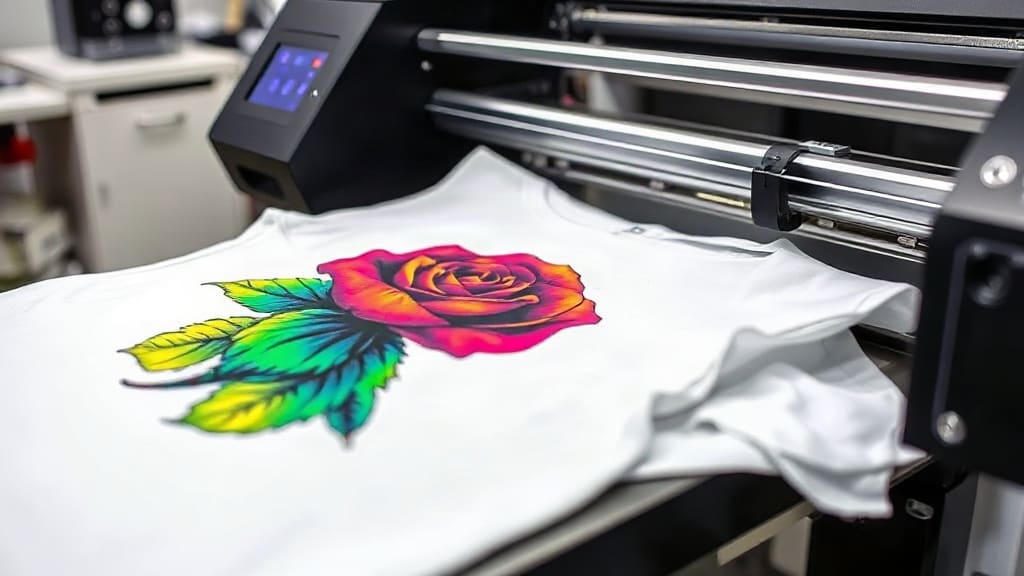
If you're in the print on demand (POD) business, you're always on the lookout for technologies that can give you an edge. Enter DTF printing, or Direct to Film. This relatively new method is quickly becoming a favorite among POD sellers for its versatility, vibrant colors, and ability to print on almost any fabric. In this guide, we'll dive deep into DTF printing, how it works, and why it might be the perfect addition to your POD toolkit.
What is DTF Printing?
DTF stands for Direct to Film. It's a printing process where your design is printed onto a special film, coated with a powder adhesive, and then heat-pressed onto the fabric. Unlike DTG (Direct to Garment) printing, which prints directly onto the garment, DTF allows you to transfer the print to a wide range of materials, including cotton, polyester, blends, and even leather. This flexibility makes it a powerful tool for POD sellers who want to offer diverse products without investing in multiple printing technologies.
Why DTF Printing is a Game-Changer for Print on Demand
Print on demand is all about efficiency and customization. DTF printing excels in both areas. Here are some reasons why it's a game-changer:
- No color limitations: Unlike DTG, which requires pre-treatment and works best on 100% cotton, DTF can print on any color and type of fabric. You can print white ink on dark shirts without multiple layers.
- Vibrant and durable: The prints are known for their bright colors and exceptional durability. They withstand repeated washing without fading or cracking.
- Cost-effective for small batches: DTF doesn't require minimum order quantities, making it ideal for POD's on-demand model.
- Wide application: Beyond t-shirts, you can use DTF on hoodies, tote bags, caps, and even shoes. This expands your product offerings.
How DTF Printing Works: Step by Step
Understanding the DTF process helps you appreciate its capabilities. Here's a breakdown of the steps:
- Design preparation: Create your artwork in a graphic design software. Ensure it's mirrored (flipped horizontally) before printing.
- Printing: Use a DTF printer to print the design onto a special PET film. The printer uses CMYK and white ink. The white ink is crucial for opacity on dark fabrics.
- Powdering: While the ink is still wet, apply a hot melt adhesive powder over the print. Shake off the excess.
- Curing: Place the film in a curing oven or under a heat press to melt the powder. This creates a adhesive layer that will bond with the fabric.
- Transfer: Place the film on the garment with the design side up, and heat press it at the recommended temperature and time. Once cooled, peel off the film.
DTF vs. DTG: Which is Better for Your POD Business?
Both DTF and DTG have their merits. DTG is great for 100% cotton shirts with intricate details, but it requires pre-treatment and can be limited in color vibrancy on dark fabrics. DTF, on the other hand, offers more flexibility and is often more cost-effective for small runs. If you want to print on a variety of fabrics and colors without compromising quality, DTF is the way to go.
Tips for Success with DTF Printing
To get the most out of DTF printing, keep these tips in mind:
- Choose quality supplies: Not all films and powders are created equal. Invest in reputable brands to ensure consistent results.
- Master the heat press: Temperature, pressure, and time are critical. Each fabric may require slight adjustments. Always test on a sample first.
- Store films properly: Keep unused film in a cool, dry place to prevent moisture damage.
- Experiment with fabrics: DTF works on many materials, so don't be afraid to try new products beyond apparel.
Frequently Asked Questions about DTF Printing
What fabrics can I use with DTF printing?
DTF printing works on a wide range of fabrics, including cotton, polyester, nylon, leather, and blends. It's especially good for materials that are difficult to print on with other methods.
Is DTF printing durable?
Yes, when done correctly, DTF prints are very durable. They can withstand 50+ washes without significant fading or cracking. Proper curing and pressing are key to longevity.
Do I need a special printer for DTF?
You need a DTF printer that uses pigment ink and has a white ink channel. Many converted Epson printers are popular for this purpose. Alternatively, you can outsource printing to a DTF service.
Can I use DTF for small orders?
Absolutely! DTF is perfect for small orders because there's no minimum quantity. You can print one-off designs economically, which is ideal for print on demand.
How do I care for DTF-printed garments?
Turn the garment inside out and machine wash cold. Avoid bleach and tumble dry on low. Iron on the reverse side if needed. Following these care instructions will extend the life of your DTF prints.
Incorporating DTF printing into your print on demand business can open up new opportunities for creativity and profit. With its versatility and high-quality results, it's a technology worth mastering.