If you've been exploring custom apparel or print-on-demand (POD), you've likely encountered the term DTF. Direct-to-film printing is quickly becoming a favorite among creators and small business owners for its versatility and vibrant results. Unlike traditional methods that require specific fabrics or complex setups, DTF opens up a world of possibilities for printing on almost any material. In this guide, we'll dive into what DTF is, how it works, and why it might be the perfect solution for your next project.
What is DTF Printing?
DTF stands for Direct-to-Film. It's a printing technique where your design is printed onto a special film, coated with a powdered adhesive, and then heat-pressed onto the fabric. The result is a soft, stretchable, and durable print that can be applied to a wide range of materials, including cotton, polyester, blends, and even leather. Unlike DTG (Direct-to-Garment) printing, which requires pre-treatment and works best on cotton, DTF transfers can adhere to almost any fabric, making it a game-changer for custom apparel.
How Does DTF Printing Work?
The DTF process involves several steps, but it's surprisingly straightforward once you understand the basics. Here's a breakdown:
- Design Preparation: Create your artwork using graphic design software. Remember to mirror the image horizontally, as the film will be flipped during transfer.
- Printing: A specialized DTF printer prints your design onto a PET film using water-based inks. The printer lays down a white ink layer first, followed by CMYK colors, ensuring vibrant and opaque results.
- Powder Application: While the ink is still wet, a hot-melt adhesive powder is sprinkled over the print. The excess powder is shaken off, leaving a thin, even layer.
- Curing: The film is then heated to melt the powder, creating a dry, ready-to-use transfer.
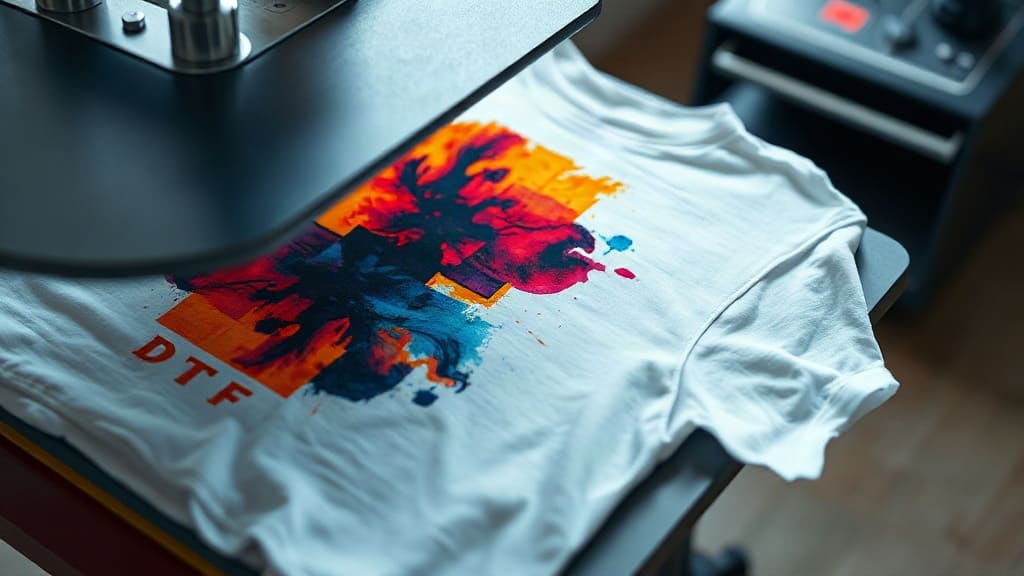
- Heat Pressing: Finally, the transfer is placed onto the fabric and pressed with a heat press at around 160°C (320°F) for 10-15 seconds. After cooling, the film is peeled away, leaving a soft, durable print.
Why Choose DTF for Your Printing Needs?
DTF printing offers numerous advantages over other methods. Let's explore some key benefits:
Versatility Across Fabrics
One of the biggest advantages of DTF is its ability to print on a wide variety of materials. Whether you're working with cotton, polyester, nylon, or even leather, DTF transfers adhere beautifully. This makes it ideal for printing on t-shirts, hoodies, tote bags, and more, without worrying about fabric composition.
No Pre-Treatment Required
Unlike DTG printing, which often requires pre-treating the garment for optimal results, DTF eliminates that step. You simply press and peel. This saves time, reduces chemical use, and simplifies the workflow, especially for beginners.
Vibrant and Durable Prints
DTF prints are known for their bright colors and high opacity, thanks to the white ink base. The prints also stretch with the fabric, resisting cracking and fading even after multiple washes. This durability makes DTF a popular choice for high-quality custom apparel.
Cost-Effective for Small Batches
For small businesses or individuals, DTF is cost-effective because you don't need expensive screens or minimum order quantities. You can print one-off designs or small batches without breaking the bank. This makes it perfect for personalized gifts or testing new designs.
DTF vs. Other Printing Methods
To better understand where DTF fits, let's compare it to other common printing techniques:
- DTG (Direct-to-Garment): Best for cotton fabrics, requires pre-treatment, and can be costly for small runs. DTF works on more fabrics and has lower setup costs.
- Screen Printing: Ideal for large orders with simple designs, but expensive for multi-color or small batches. DTF excels in detailed, multi-color prints on demand.
- Vinyl (HTV): Good for simple shapes and text, but limited in color gradients and detail. DTF can handle complex images with ease.
- Sublimation: Requires polyester or specially coated items, and the print becomes part of the fabric. DTF sits on top but offers more fabric options and vibrant whites.
Getting Started with DTF Printing
If you're ready to dive into DTF printing, here are some practical tips to ensure success:
Choose the Right Equipment
You'll need a DTF printer, which can range from desktop models to industrial machines. For beginners, a converted Epson printer with DTF ink and a powder shaker is a common setup. Also invest in a quality heat press for consistent results.
Select Quality Supplies
Not all DTF films and powders are created equal. Look for films that are easy to peel and powders that provide strong adhesion. Cheaper supplies may lead to dull prints or poor washability.
Master the Heat Press Settings
Temperature, pressure, and time are critical. Experiment with your heat press to find the sweet spot for your fabric and transfer. Typically, 160°C (320°F) for 10-15 seconds with medium pressure works well, but always test first.
Practice Design Preparation
Ensure your designs are high-resolution and mirrored before printing. Use software like Photoshop or Illustrator to prepare your artwork. Remember that DTF can handle fine details, so let your creativity flow.
Common Challenges and Solutions
Like any printing method, DTF has its quirks. Here are some common issues and how to fix them:
- Faded Prints: Usually caused by insufficient powder or incorrect curing. Increase powder coverage and ensure proper melting.
- Cracking: May result from too much pressure or insufficient heat. Adjust your heat press settings and ensure even pressure.
- Poor Adhesion: Check that the fabric is clean and flat. Also, verify that the powder is fully cured and the press time is adequate.
- Color Shifts: Use ICC profiles for your printer and ink to maintain color accuracy.
Frequently Asked Questions
What fabrics can I use with DTF printing?
DTF transfers can be applied to a wide range of fabrics, including cotton, polyester, blends, nylon, and leather. However, fabrics with a rough texture or heavy coatings may not yield the best results. Always test on a small area first.
How long do DTF prints last?
With proper application and care, DTF prints can last as long as the garment itself. They resist cracking and fading, but to maximize longevity, wash the garment inside out in cold water and avoid harsh detergents.
Can I use DTF on dark garments?
Absolutely! DTF printing uses a white ink base, which makes colors pop on dark fabrics. This is a major advantage over DTG, which may require multiple passes on dark shirts.
Do I need a special printer for DTF?
Yes, you need a printer that supports DTF inks and can handle the film. Many people convert Epson printers for this purpose. Alternatively, you can buy a dedicated DTF printer, which can be more expensive but easier to use.
Is DTF printing cost-effective for small businesses?
Yes, DTF is very cost-effective for small batches and one-off designs. There's no minimum order, and the supplies are relatively affordable. It's a great way to offer custom apparel without large upfront costs.
With its versatility, durability, and ease of use, DTF printing is a fantastic option for anyone in the custom apparel space. Whether you're a hobbyist or a growing business, mastering DTF can open up new opportunities. So why not give it a try? Your next best-selling design might just be a DTF transfer away.