
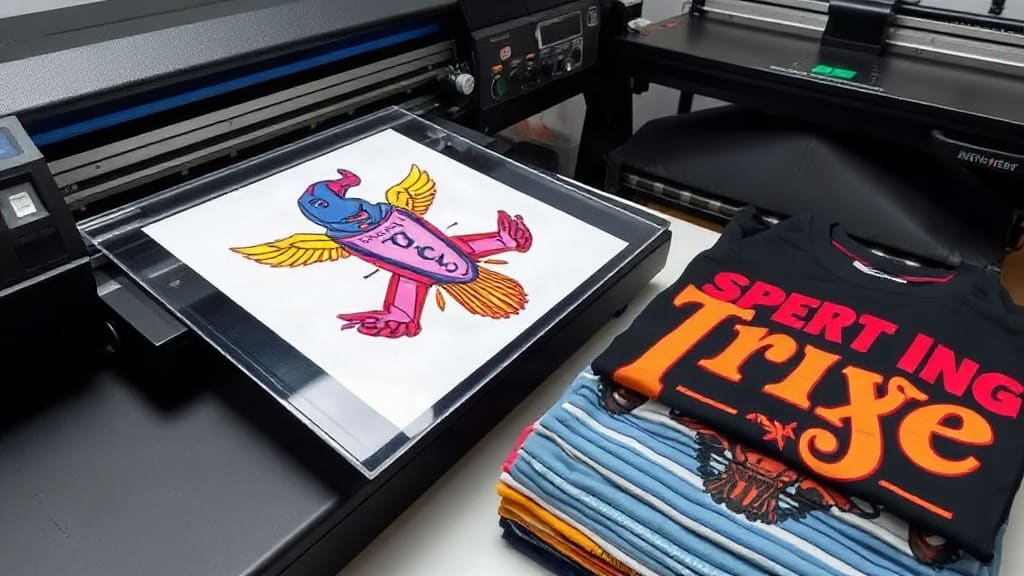
If you've been exploring custom apparel printing, you've likely encountered the term DTF. Direct-to-film printing has quickly become a favorite among small business owners, crafters, and print shops for its versatility and vibrant results. Unlike other methods, DTF allows you to print intricate designs onto a special film, then transfer them to a wide range of fabrics with impressive durability. Whether you're looking to expand your product line or simply curious about the technology, this guide will walk you through the essentials of DTF printing, from setup to finishing touches.
What Exactly Is DTF Printing?
DTF stands for direct-to-film. The process involves printing your design onto a PET film using specialized inks, then applying a thermoplastic powder to the wet ink. After the powder melts, the design is ready to be heat-pressed onto a garment. The magic lies in the adhesive powder, which bonds the ink to the fabric, creating a flexible and stretchable print that feels soft to the touch. Unlike DTG (direct-to-garment), DTF doesn't require pre-treatment of the fabric, and it works on cotton, polyester, blends, and even nylon. This opens up a world of possibilities for personalizing items like t-shirts, hoodies, tote bags, and more.
Why Choose DTF Over Other Printing Methods?
You might wonder how DTF compares to vinyl, screen printing, or DTG. Here are a few reasons why it stands out:
- No color limitations: DTF printers use CMYK plus white ink, so you can print full-color images with gradients and fine details without worrying about color separation.
- Fabric versatility: It adheres well to both natural and synthetic fabrics, including dark and light materials.
- Durability: When applied correctly, DTF transfers withstand repeated washing without cracking or fading.
- Cost-effective for small batches: Unlike screen printing, there's no need for expensive setup or minimum orders.
- Soft feel: The prints are thin and stretch with the fabric, avoiding that heavy, plastic-like sensation.
Essential Equipment for DTF Printing
Getting started with DTF printing requires a few key pieces of equipment. Here's what you'll need:
1. DTF Printer
You can choose between a dedicated DTF printer or convert an existing inkjet printer with a DTF conversion kit. Dedicated printers are optimized for white ink circulation, which is crucial for preventing clogs. Popular models include those from Epson, Roland, and Mutoh, but there are also budget-friendly options from brands like Ving and Procolored.
2. DTF Inks
DTF inks are specially formulated to adhere to the film and later to fabric. They include CMYK plus white ink. Quality inks ensure vibrant colors and reliable performance. Always use inks designed for DTF to avoid clogs and poor adhesion.
3. DTF Film
The film is a crucial component. It must be coated to accept the ink and release it properly during transfer. There are two types: hot peel and cold peel. Hot peel films allow you to remove the carrier sheet while the transfer is still hot, speeding up production. Cold peel films require cooling before peeling, often resulting in a smoother finish.
4. Adhesive Powder
This thermoplastic powder is applied to the wet ink. It comes in different particle sizes; finer powders are better for detailed designs. The powder melts under heat and bonds the ink to the fabric.
5. Heat Press
A heat press is essential for both curing the powder and transferring the design. You'll need a press capable of reaching 320°F to 350°F (160°C to 175°C) with consistent pressure.
Step-by-Step DTF Printing Process
Now that you have your equipment, let's walk through the DTF printing process from start to finish.
Step 1: Design and Print
Create your artwork in a graphic design program. Remember to mirror the image horizontally before printing, as the film will be flipped during transfer. Load your DTF film into the printer with the coated side facing up. Print your design using the appropriate settings for DTF ink. The printer will lay down white ink first (if your design has white areas) followed by CMYK.
Step 2: Apply Powder
While the ink is still wet, sprinkle the adhesive powder evenly over the printed area. You can use a powder shaker for better control. Gently shake off excess powder; you want a thin, uniform layer. Any excess can be reused if collected cleanly.
Step 3: Cure the Powder
Place the film in a heat press or oven set to about 320°F (160°C) for 2-3 minutes. The powder will melt and become glossy. Alternatively, you can use a heat gun, but a heat press ensures even melting. Once cured, the film can be stored for later use.
Step 4: Transfer to Fabric
Preheat your heat press to 330°F (165°C). Place the garment on the press, then position the DTF transfer with the design facing up. Press for 10-15 seconds with medium pressure. If using hot peel film, peel the carrier sheet immediately while hot. For cold peel, wait until it cools completely before peeling.
Step 5: Post-Press (Optional)
For added durability, you can press the transferred design again for a few seconds with a Teflon sheet or parchment paper over it. This ensures the adhesive fully bonds with the fabric.
Tips for Success with DTF Printing
- Maintain your printer: White ink can settle, so daily agitation and regular cleaning cycles are a must.
- Control humidity: Ideal humidity is around 50-60%. Too dry, and the powder may not adhere; too humid, and the film may curl.
- Test your powder: Different powders melt at different temperatures. Always follow the manufacturer's recommendations.
- Use quality film: Cheap film can cause ink smearing or poor release. Invest in reputable brands.
- Practice makes perfect: Start with simple designs, then move to complex ones as you gain confidence.
Common Challenges and How to Overcome Them
Even with the best setup, you might run into issues. Here are some common problems and solutions:
Clogged Printhead
White ink is notorious for causing clogs. Run a nozzle check daily and clean the printhead as needed. Some printers have automatic cleaning cycles; use them.
Poor Adhesion
If the transfer peels off after washing, it could be due to insufficient pressure, incorrect temperature, or not enough powder. Ensure your heat press is calibrated and apply even pressure.
Color Fading
Fading can occur if the ink isn't cured properly or if the garment is washed in hot water. Always cure the powder fully and wash inside out in cold water.
Applications of DTF Printing
DTF printing isn't just for t-shirts. Its versatility makes it suitable for:
- Hoodies and sweatshirts
- Tote bags and backpacks
- Denim jackets and jeans
- Sportswear and jerseys
- Canvas shoes and caps
The possibilities are endless, limited only by your creativity.
Frequently Asked Questions
How long do DTF prints last?
With proper application and care, DTF prints can last as long as the garment itself. They withstand dozens of washes without significant fading or cracking. Always follow washing instructions: turn inside out, use cold water, and avoid bleach.
Can I use DTF on 100% cotton?
Absolutely. DTF works beautifully on cotton, as well as polyester, blends, and even treated nylon. It's one of the few methods that adheres well to both natural and synthetic fibers.
Do I need a special printer for DTF?
You can either buy a dedicated DTF printer or convert a standard inkjet printer with a DTF conversion kit. However, dedicated printers are recommended for consistent results and less maintenance.
What is the difference between hot peel and cold peel DTF film?
Hot peel film allows you to remove the carrier sheet immediately after pressing while the transfer is still hot, speeding up production. Cold peel film requires the transfer to cool completely before peeling, which can result in a smoother, more matte finish.
Is DTF printing profitable?
Yes, many small businesses find DTF printing profitable due to low material costs and the ability to print one-off designs without setup fees. It's a great way to offer custom apparel without large inventory.
Final Thoughts
DTF printing is a game-changer for anyone in the custom apparel industry. Its simplicity, versatility, and durability make it an attractive option for both beginners and seasoned professionals. By understanding the process, investing in quality equipment, and practicing regularly, you can produce stunning transfers that delight your customers. So why not give DTF a try? With the right approach, you'll be creating vibrant, long-lasting designs in no time.